IEA signals readiness for further oil release as Iran war disrupts supply
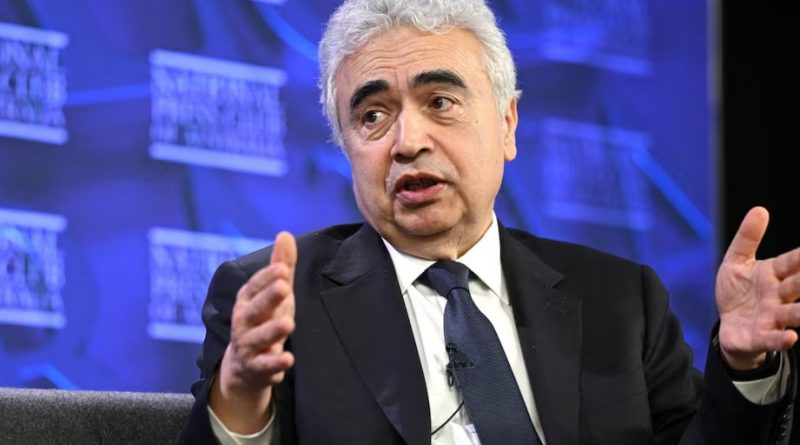
Sydney — The International Energy Agency is consulting governments in Asia and Europe on the potential release of additional emergency oil stocks “if necessary” in response to supply disruptions caused by the Iran war, Executive Director Fatih Birol said on Monday.
Speaking at the National Press Club in Canberra, Birol said the agency would assess market conditions before deciding on further action, after member countries agreed on March 11 to release a record 400 million barrels from strategic reserves to ease surging crude prices.
“If it is necessary, of course, we will do it,” Birol said, adding there was no fixed price threshold that would automatically trigger another coordinated release. He cautioned that stock drawdowns could help stabilise markets but would not resolve underlying supply constraints.
Birol said the Asia-Pacific region was at the forefront of the crisis due to its reliance on energy and critical commodities shipped through the Strait of Hormuz, a key maritime corridor affected by the conflict.
He described the current situation in the Middle East as “very severe,” saying its impact exceeded that of the 1970s oil shocks and the gas market fallout from the Russia-Ukraine war combined.
According to Birol, the conflict has removed around 11 million barrels per day from global oil supply, intensifying pressure on economies dependent on imports.“The single most important solution to this problem is opening the Hormuz Strait,” he said.
Birol said stock releases represented only one element of the agency’s response, pointing to demand-side measures such as reduced speed limits and increased remote working to curb fuel consumption.
He noted similar steps had helped lower energy use in Europe in 2022, though implementation would depend on national policy decisions.
“The depth of the problem was not well appreciated by decision makers around the world,” Birol said, explaining his decision to speak publicly weeks into the conflict.
During his visit, Birol met Australian Prime Minister Anthony Albanese and reviewed the country’s fuel preparedness. While noting that Australia’s overall liquid fuel reserves remain below IEA requirements, he said recent efforts had improved resilience.
He described Australia’s diesel reserves, currently at around 30 days, as “a solid number” in the current environment.
Birol is scheduled to travel to Japan later this week ahead of a Group of Seven meeting, where energy security and coordinated responses to the supply shock are expected to be discussed.