Hopes fade for swift end to Iran war after Trump speech, oil surges
Washington — Hopes for a quick resolution to the Iran war dimmed after Donald Trump signaled intensified military action without outlining a clear path to de-escalation, sending oil prices sharply higher and global stocks lower.
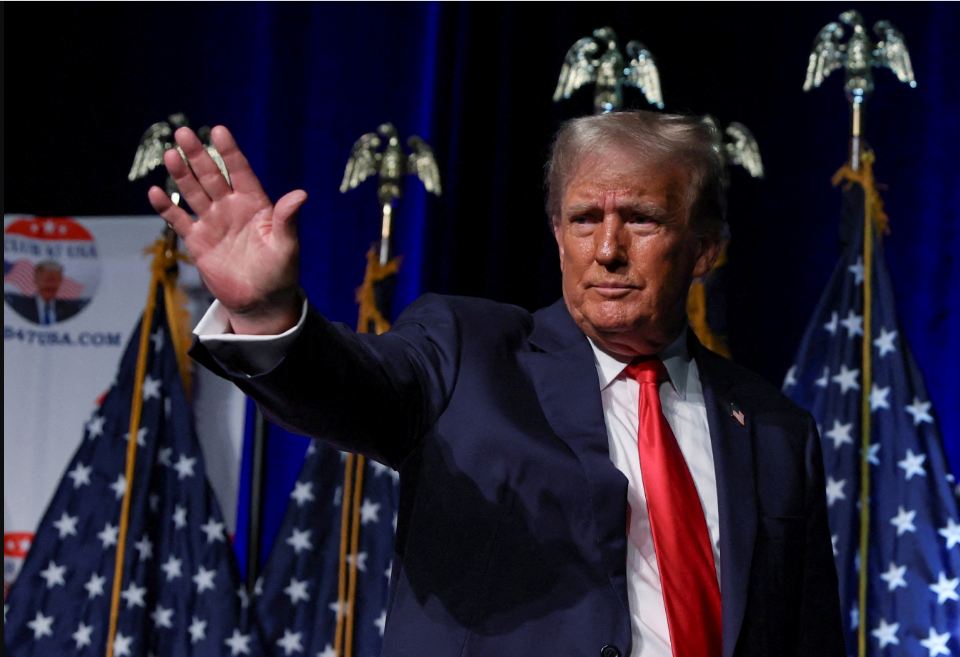
In a prime-time address, Trump said the United States would “hit” Iran hard over the next two to three weeks while asserting that core military objectives were nearing completion.
However, the absence of a defined endgame unsettled investors and raised concerns about prolonged disruption to global energy supplies.
South AfricaBenchmark crude prices jumped around 5%, climbing above $106 per barrel, while equity markets declined across major regions as traders reacted to continued uncertainty over the conflict and the closure of the Strait of Hormuz, a critical route for global oil shipments.
Trump reiterated that U.S. forces were “on track” to complete their objectives “very shortly,” and said Iran had been “essentially decimated,” while warning that further escalation remained possible if Tehran did not meet U.S. demands.
He also suggested potential strikes on key infrastructure, including energy facilities. Despite the aggressive rhetoric, diplomatic prospects remain limited. A senior Iranian source told Reuters that Tehran is seeking a guaranteed ceasefire before halting attacks and confirmed that no indirect talks on a temporary truce have taken place.
The ongoing conflict, which began after U.S.-Israeli strikes on Feb. 28, has disrupted global oil flows and heightened geopolitical risk across the Middle East. Iran’s effective blockade of Hormuz has constrained shipments that typically account for about one-fifth of global oil and gas trade, amplifying volatility in energy markets.
Market participants said Trump’s speech failed to reassure investors seeking clarity on how and when the conflict might end, with uncertainty over supply disruptions and military escalation continuing to drive price swings.
International financial institutions, including the International Monetary Fund, World Bank and International Energy Agency, have warned that the war is having significant and uneven global economic impacts, particularly on energy-importing countries.