Markets recoil as prolonged Middle East war fears trigger global selloff
Singapore — Investors are scaling back risk exposure and repositioning portfolios as expectations of a prolonged Middle East war intensify, driving demand for cash and energy stocks while prompting heavy selling in bonds, technology shares, and mining equities, market participants said on Monday.
The shift marks a departure from earlier market resilience, with traders now pricing in longer-term disruptions to energy supply chains and global trade flows. Analysts said the reassessment reflects growing concern that the conflict could inflict sustained economic damage rather than remain a short-lived shock.
Global equities extended losses, with the S&P 500 falling 1.5% on Friday as major technology firms led declines, while futures dropped a further 0.6% in Asian trading. Japan’s Nikkei 225 slid 3.5%, and China’s CSI 300 Index was on track for its steepest losses since tariff-driven market turmoil last year.
MSCI’s global equities gauge, the MSCI World Index, hit a four-month low on Monday after breaking below its 200-day moving average, a key technical level closely watched by investors.
Market participants said the selloff reflected waning confidence in valuations following a rally that had been underpinned by expectations of limited geopolitical fallout.
Investors are increasing cash holdings and reducing leveraged positions across major markets, according to fund managers. The reallocation reflects a broader move to hedge against prolonged instability, with energy stocks emerging as relative beneficiaries amid expectations of tighter supply.
Aaron Costello, head of Asia at Cambridge Associates, said markets had previously been conditioned to expect rapid reversals in geopolitical tensions but were now adjusting to the likelihood of escalation. Speaking at a Milken Institute event in Hong Kong, he said investors were beginning to factor in the depletion of reserves and stockpiles if the conflict persists.
Karen Jorritsma, head of Australian equities at RBC Capital Markets, said the speed of the selloff pointed to weak conviction behind earlier gains, with investors exiting positions quickly as risks mount.
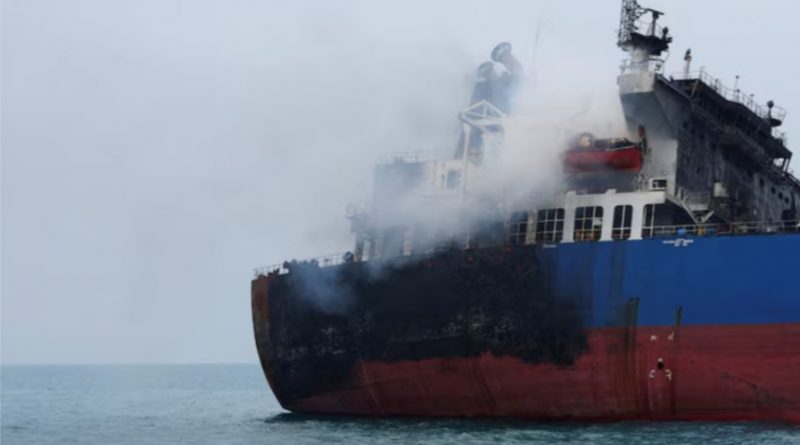
Damage to critical energy infrastructure and supply routes is reinforcing expectations of lasting economic impact. Investors are closely monitoring developments around the Strait of Hormuz, a key artery for global oil shipments, as tensions raise the risk of prolonged supply constraints.
Recent disruptions have already affected liquefied natural gas flows, with nearly a fifth of Qatar’s export capacity reportedly knocked out by Iranian attacks, according to statements cited by Reuters last week. Market participants said such disruptions could have multi-year implications for contracts and pricing if sustained.
The prospect of continued supply shocks has led investors to reassess the effectiveness of potential policy responses, including interest rate cuts or diplomatic shifts, in offsetting the broader economic fallout.