Airstrikes Hit Iran Cities, Kill Dozens as Conflict Intensifies
Tehran — An airstrike on a residential building near the city of Eslamshar southwest of Tehran killed at least 13 people early Monday, Iranian media reported, as a wave of attacks struck multiple locations across the country.
The semiofficial Fars news agency and Nour News said the strike targeted a residential area, though the intended objective remained unclear. Neither Israel nor the United States immediately claimed responsibility for the attack, which followed escalating threats from Washington over Iran’s closure of the Strait of Hormuz.
Separate airstrikes also hit Iran’s capital, Tehran, before dawn, with explosions reported across the city and the sound of fighter jets heard intermittently for hours. Iranian authorities did not immediately provide details on the targets or casualties from those strikes.
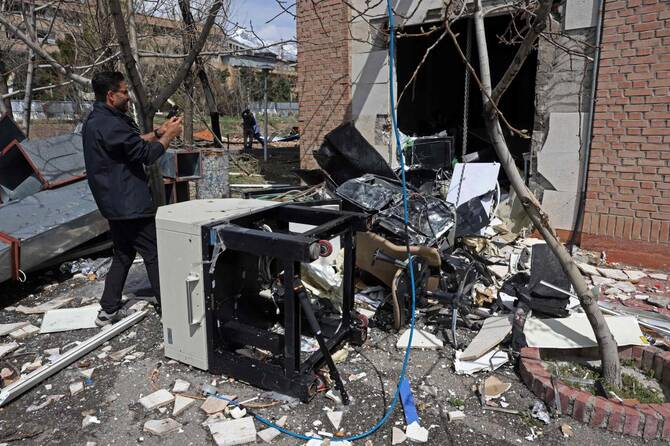
Iranian media said Sharif University of Technology in Tehran was among the sites hit, with damage reported to campus buildings and a nearby natural gas distribution facility. The university has previously faced international sanctions over alleged links to Iran’s ballistic missile program, though it was unclear what specific facilities were targeted.
In the city of Qom, south of the capital, an airstrike on a residential area killed at least five people, according to the state-run IRAN newspaper. Authorities did not specify the intended target of that strike.
Iran’s science minister said more than 30 universities across the country have been hit since the conflict began in late February, underscoring the widening scope of the bombardment. Iran has not released updated nationwide casualty figures in recent days.
The latest strikes come amid sustained attacks on military and infrastructure sites, with Iranian security forces reportedly using alternative locations as bases after repeated strikes on established facilities.
The conflict has also forced the closure of schools nationwide, with classes moved online, and disrupted key infrastructure, including energy distribution networks.