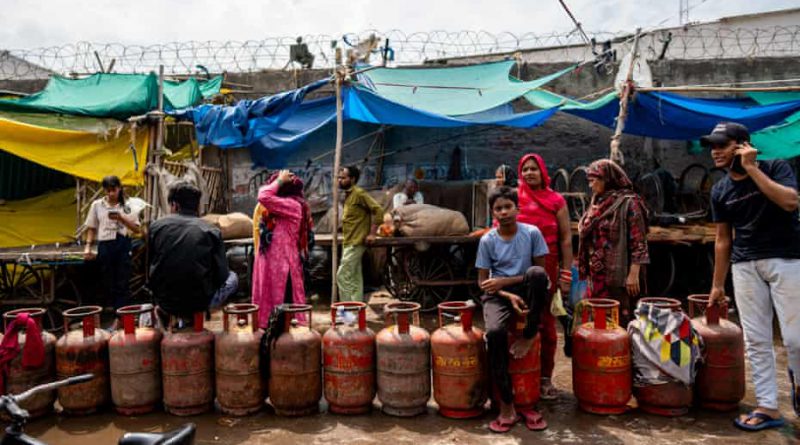
Rising fuel costs ripple through daily life worldwide, straining livelihoods from farms to cities
“We’re a bit stuck – the cows still need to be fed, we still need to harvest the feed. It’s all essential activity.”
Surging global fuel prices are placing mounting pressure on households and small businesses across continents, with workers and entrepreneurs reporting rising costs, shrinking incomes and difficult trade-offs in daily life.
On a small dairy farm north of Auckland in New Zealand, a farmer managing 200 cows said higher diesel and petrol costs are eroding already tight margins. The farm consumes around 900 litres of diesel and up to 300 litres of petrol each month to operate tractors, machinery and quad bikes. Recent price increases have added more than NZ$1,200 to monthly expenses, translating to over NZ$15,000 annually.
The farmer said the burden extends beyond direct fuel use. Contractors charge more for their services and fertiliser prices have risen by about 40%, compounding operational costs. With commodity prices largely dictated by markets, the farmer said there is little scope to pass on higher costs, forcing decisions to delay maintenance and investment.
In Port Vila, bus driver Daniel Thomas described similar pressures in the transport sector. Driving from early morning until late evening, he earns about A$120 a day but expects that rising fuel prices could reduce his take-home income significantly. With vehicles requiring frequent refuelling and air-conditioning essential in tropical temperatures, Thomas said higher costs may force drivers to raise fares despite concerns about passenger affordability.
Across Vanuatu, many drivers are servicing loans on their vehicles, increasing financial vulnerability. Thomas said without fare increases, drivers may struggle to meet repayments, highlighting the limited options available to absorb cost shocks.In South Korea, the response has included policy measures to reduce fuel consumption.
Kim Hooin, a public sector worker commuting from Cheongju to Sejong, said mandatory vehicle restrictions introduced in late March have altered daily routines. Under the system, government employees are prohibited from driving one day a week based on licence plate numbers, encouraging greater use of public transport.
Kim said he now takes the bus daily, extending his commute time but reducing fuel expenses. At work, he manages government vehicles and said usage is being tightly controlled, with electric vehicles prioritised where possible. The government has also promoted broader energy-saving measures, including reduced water and electricity use, framing the campaign as a collective response to economic pressures.
In rural Surin Province, small-scale trader Teerayut Ruenrerng said fuel shortages and price increases have disrupted both supply chains and daily operations. Running a mobile grocery business, he often visits multiple fuel stations to secure limited quantities of diesel. Inconsistent access has made it difficult to plan routes and maintain regular sales.
Ruenrerng said rising input costs, including higher prices for meat, produce and packaging, have reduced profits by up to 20%. Supply disruptions mean that orders are frequently only partially fulfilled, forcing adjustments to inventory and pricing. He has increased some retail prices but said doing so risks losing customers in already constrained markets.
In Tokyo, Koichi Matsumoto, who operates a traditional bathhouse established by his family in the 1930s, said energy costs are a growing concern. Although the business switched from oil to gas five years ago, heating expenses remain high and are expected to increase further if global energy markets tighten.
Bathhouse operators face additional constraints, including regulated pricing set by local authorities. Matsumoto said admission fees cannot be raised freely, limiting the ability to offset rising costs. With declining customer numbers and ageing infrastructure, he said many similar establishments are weighing whether to continue operating.
In Sydney, interior designer Belinda Morgan said uncertainty linked to global energy markets is affecting demand in the construction sector. She said projects have slowed as clients delay spending decisions, prompting her to seek additional work and cut household expenses.
The family is reassessing routine activities, including discretionary travel, to conserve fuel and money.In Delhi, warehouse worker Rajesh Singh described a more acute impact, with rising cooking gas prices and food inflation forcing him to reduce meals. Earning about 12,000 rupees per month, he said essential expenses including rent and food have surged, leaving little room for savings. He reported eating once a day in recent weeks and borrowing money to manage basic needs.
Singh said several colleagues have already left the city due to rising costs, and he is considering returning to his home village if conditions do not improve. The situation reflects broader pressures on low-income urban workers facing simultaneous increases in energy, housing and food prices.
In Beijing, taxi driver Cui Xinming said fuel price increases have added to the strain of long working hours. Driving up to 12 hours a day, he said rising costs are a concern but expressed confidence in government measures to stabilise prices. He noted that China’s investment in alternative energy and electric vehicles could reduce reliance on oil over time.
Cui said he is considering leaving the profession due to fatigue and changing economic conditions, highlighting how cost pressures are influencing career decisions in addition to daily finances.
Across regions, the accounts point to a common pattern: rising fuel costs are feeding through supply chains, increasing the price of goods and services while compressing incomes. For many, the adjustments involve reducing consumption, raising prices where possible, or reconsidering long-term plans in an increasingly uncertain economic environment.