Iran reviews U.S. ceasefire plan as Trump asserts Tehran seeks deal amid widening war fallout
Dubai — Iran is reviewing a U.S.-backed ceasefire proposal conveyed through intermediaries but has no plans to enter direct talks, its foreign minister said, while U.S. President Donald Trump asserted that Tehran’s leadership is seeking a deal to end nearly four weeks of conflict that has disrupted global energy flows and supply chains.
Iranian Foreign Minister Abbas Araqchi said on state television that no formal negotiations or dialogue were under way with Washington, despite the exchange of messages via third-party countries.
He described the communications as indirect and limited to conveying positions and warnings rather than structured diplomacy.Trump, speaking at an event in Washington later on Wednesday, said Iranian leaders were effectively negotiating and eager to reach an agreement but reluctant to acknowledge it publicly, citing fears of internal backlash and external pressure. He did not specify which Iranian officials were involved.
Araqchi reiterated that Iran’s stance remained unchanged, emphasizing that message exchanges through “friendly countries” did not constitute negotiations. His remarks underscored the absence of direct diplomatic engagement even as international efforts intensify to contain the conflict.
The divergence in public messaging highlights the opaque nature of backchannel communications, with both sides signaling differing interpretations of the same exchanges. No official confirmation has been provided by Washington regarding the structure or participants of any indirect contacts.
A 15-point U.S. proposal, transmitted via Pakistan, calls for Iran to dismantle its stockpile of highly enriched uranium, halt enrichment activities, limit its ballistic missile programme, and cease support for regional allied groups, according to Israeli cabinet sources familiar with the plan.
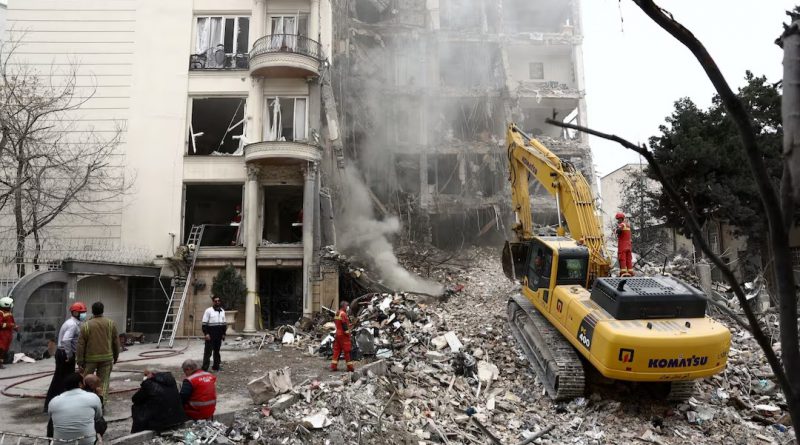
The proposal forms part of broader efforts to de-escalate hostilities that began on February 28, when U.S. and Israeli strikes targeted Iran, triggering retaliatory attacks by Tehran against Israel, U.S. bases, and Gulf states. Senior Iranian leadership has been severely impacted, with Supreme Leader Ayatollah Ali Khamenei reported killed in an early strike and his successor Mojtaba Khamenei wounded and absent from public view.
The conflict has triggered what analysts describe as the most severe energy shock on record, with the closure of the Strait of Hormuz disrupting a critical artery for roughly one-fifth of global oil and liquefied natural gas shipments.
Fuel shortages have emerged across multiple regions, driving price spikes and straining industries ranging from aviation to retail and automotive markets. Governments are considering emergency support measures similar to those deployed during the COVID-19 pandemic as supply chains face mounting pressure.
Agricultural sectors have also been affected, with farmers struggling to secure diesel supplies, raising concerns over food production.
The World Food Programme has warned that tens of millions more people could face acute hunger if the conflict persists into June.