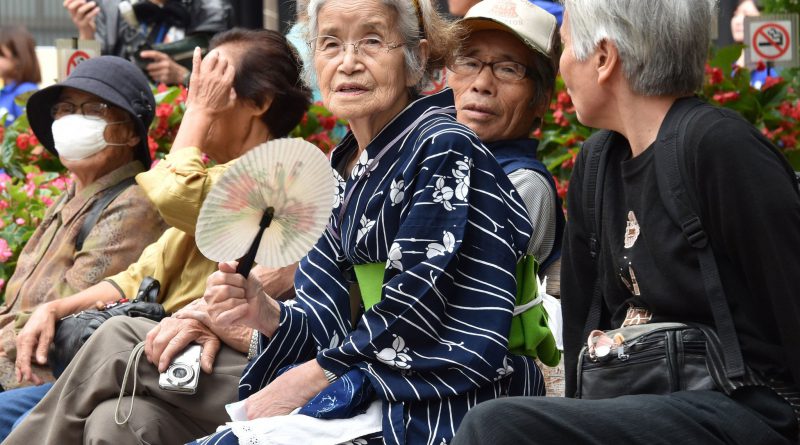
Community, diet and routine underpin longevity in Japan
In Japan, longevity is not an outcome of medicine alone, but a sustained alignment of community bonds, disciplined diet, and daily routine shaping health across a lifetime.
In Japan, where life expectancy ranks among the highest globally, researchers and policymakers have long examined the cultural and social practices that contribute to longevity.
According to data from the World Health Organization, Japan’s average life expectancy exceeds 84 years, placing it consistently at the top of global rankings. Government statistics from the Ministry of Health, Labour and Welfare attribute this outcome to a combination of dietary patterns, healthcare access, and social structures that support ageing populations.
One focal point of research has been Okinawa, a southern prefecture often cited in longevity studies due to its high concentration of centenarians.
Academic studies conducted by institutions such as the National Institute of Health and Nutrition indicate that residents in Okinawa have historically maintained lower rates of cardiovascular disease and certain cancers compared to national averages, although these trends have begun to shift in recent decades.
Japanese dietary habits have been identified as a central factor in long life expectancy. Traditional meals emphasize fish, vegetables, soy-based products, and fermented foods, with relatively low consumption of red meat and processed items.
Researchers often cite the practice of “hara hachi bu,” a cultural guideline originating in Okinawa that encourages eating until one is approximately 80% full. Studies published by the Japanese government’s health agencies suggest that this approach contributes to lower caloric intake and reduced rates of obesity.
National data indicates that Japan’s obesity rate remains among the lowest in developed economies. According to the Ministry of Health, Labour and Welfare, adult obesity prevalence is below 5%, significantly lower than in many OECD countries.
Public health officials link this outcome not only to diet composition but also to portion control and meal structure, which typically includes multiple small dishes rather than a single large serving.Nutrition researchers at the National Institute of Health and Nutrition have also highlighted the role of fish consumption, which provides omega-3 fatty acids associated with cardiovascular health.
Fermented foods such as miso and natto are widely consumed and are believed to support gut health, although ongoing research continues to examine their long-term effects.
Beyond diet, social structures play a measurable role in Japan’s longevity profile. Studies examining ageing populations emphasize the importance of community engagement and social cohesion.
In Okinawa, the concept of “moai,” or informal social support groups, has been documented in academic literature as a mechanism for maintaining social ties throughout life. These groups often provide emotional support, financial assistance, and a sense of belonging, particularly among older residents.
Government data indicates that older adults in Japan remain more socially and physically active compared to counterparts in many other developed countries. According to surveys conducted by the Ministry of Health, Labour and Welfare, a significant proportion of individuals aged 65 and above participate in community activities, part-time work, or volunteer initiatives.
This sustained engagement is associated with lower levels of social isolation, a factor that global health studies have linked to increased mortality risk.Urban planning and infrastructure have also been cited as contributing factors.
Japanese cities are generally designed to encourage walking and public transport use, leading to higher baseline levels of physical activity. Researchers note that daily movement, rather than structured exercise alone, plays a role in maintaining health over time.
Japan’s universal healthcare system is another key component underpinning longevity. Established in the 1960s, the system ensures broad access to medical services at controlled costs.
According to the World Health Organization, Japan’s healthcare model combines public insurance with regulated pricing, enabling high levels of service utilization without proportionate increases in expenditure.Preventive care is emphasized through regular health check-ups, which are widely available and often subsidized.
Government data indicates high participation rates in screening programs for conditions such as hypertension and certain cancers. Early detection and management of chronic diseases are considered central to extending healthy life expectancy, a metric that Japanese policymakers track alongside overall lifespan.
Pharmaceutical regulation and dietary guidelines are also integrated into national health strategies. The Ministry of Health, Labour and Welfare periodically updates nutritional recommendations, reflecting evolving research on ageing and disease prevention. Public awareness campaigns reinforce these guidelines, contributing to relatively high levels of health literacy.
Despite these structural advantages, officials have acknowledged emerging challenges. Changes in dietary habits, particularly among younger populations, have been linked to rising rates of metabolic disorders in some regions.
In Okinawa, for instance, recent studies indicate a shift away from traditional diets toward higher consumption of processed foods, coinciding with increased obesity rates.
Japan’s experience has drawn sustained international attention, with policymakers and researchers examining how cultural practices intersect with formal healthcare systems to influence long-term outcomes.
The combination of dietary moderation, social integration, and accessible medical care continues to form the basis of the country’s longevity model, as reflected in both national statistics and global health assessments.