
Ukraine Works to Stabilize Infrastructure After Overnight Strikes Near Kyiv
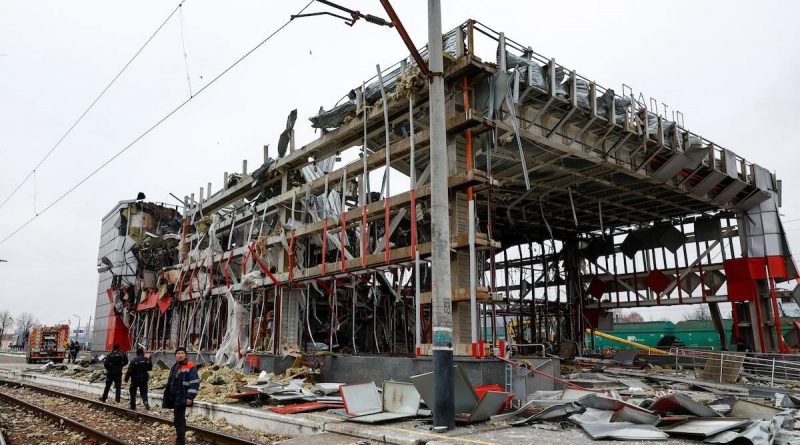
Kyiv – A major railway hub near Kyiv experienced damage following an overnight wave of drone and missile strikes, prompting Ukrainian authorities to mobilize rapid repair efforts to stabilize rail operations.
Despite the intensity of the attack, officials reported no casualties, and emergency teams quickly initiated restoration work to maintain essential connectivity.
The strikes targeted the town of Fastiv, an important transport link that supports movement across several regions.
Railway authorities confirmed damage to depot facilities and rail carriages, but emphasized that safety procedures were activated immediately to protect workers and passengers.
Ukrainian officials noted that the country’s infrastructure has faced heightened pressure in recent weeks as energy sites and transport networks continue to be tested.
However, the resilience of emergency services and the readiness of technical teams have helped minimize long-term disruptions.
Transport operators temporarily canceled several suburban trains near Kyiv and Chernihiv due to safety concerns.
These adjustments, they said, were necessary to evaluate risks and ensure secure operations before resuming full service.
Emergency crews reported a fire and structural losses at the railway depot, but swift intervention helped contain the situation.
Additional assessments remain underway across affected regions to determine the extent of the damage and prioritize repairs.
Authorities stated that drone and missile activity also targeted infrastructure in the Chernihiv region, prompting further mobilization of response units.
Teams are coordinating with local administrations to ensure that essential services such as heat, electricity and water supply are gradually restored.
Ukraine’s energy and community development ministries confirmed that energy facilities across several regions were struck overnight.
Some areas, including Odesa, experienced temporary disruptions to heating and water systems as crews worked to reroute resources and activate backup power solutions.
Despite the scale of the attack, nationwide energy operators emphasized that repair operations began immediately where safety conditions allowed.
Their focus remains on restoring power, stabilizing grids and protecting essential infrastructure from further impact.
Officials in Odesa reported that parts of the port’s operating systems temporarily switched to generator power.’
Technicians continued to assess the affected areas while maintaining critical maritime and logistical functions.
Meanwhile, air alert sirens in eastern Poland briefly sounded due to regional activity, prompting local authorities to review safety protocols.
Defense officials later confirmed that no airspace violations occurred, and the situation remained under control.
The coordinated response from multiple agencies reflects the broader effort to protect civilian infrastructure and maintain continuity of essential services.
Authorities reiterated that safeguarding transportation and energy systems remains a top priority, especially during heightened regional tensions.
Despite challenging conditions, Ukrainian engineers, first responders and infrastructure specialists continue to demonstrate resilience in rapidly restoring damaged facilities.
Their work supports both regional mobility and national stability, ensuring that communities remain connected and essential supplies continue to move.
Local leaders emphasized the importance of strengthening protective measures and enhancing international cooperation to safeguard critical networks.
They expressed confidence that ongoing support and coordinated action will help maintain operational continuity even under difficult circumstances.
As assessments continue, Ukraine remains focused on repairing affected structures, restoring public services and reinforcing security measures.
The response to the overnight attack highlights a collective determination to protect vital infrastructure and ensure that disruptions remain temporary.

