Eurovision Looks to Unity and Creativity as Organisers Adapt to Budget Pressures
Geneva – The Eurovision Song Contest is preparing for its 2026 edition with renewed focus on creativity, resilience and collaboration, following the decision by Spain, the Netherlands, Ireland and Slovenia to step back from next year’s competition.
Organisers and broadcasters say the event will continue to celebrate music and cultural exchange, even as it adapts to the financial impact of the withdrawals.
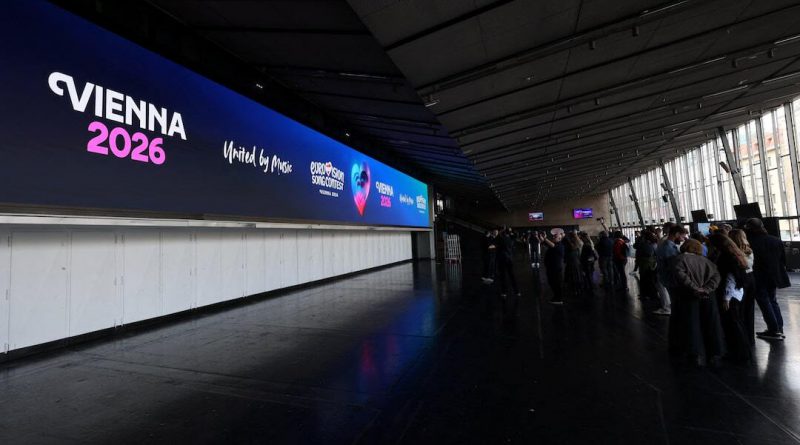
Austria, which will host the contest in May, expressed confidence that the show will remain vibrant and inclusive.
The national broadcaster overseeing preparations said that while the absence of the four countries will be felt, the team had already planned for potential fluctuations in participation.
Officials highlighted that Eurovision has a long history of overcoming challenges by embracing innovation and strengthening partnerships.
They noted that host broadcasters, sponsors and participating countries share a mutual commitment to preserving the spirit of the event.
Organisers reiterated that Eurovision has always been financed through a combination of broadcaster contributions, sponsorship revenue and ticket sales.
This collaborative model, they said, ensures that the contest remains stable even when participation numbers change.
The European Broadcasting Union recently introduced updated guidelines designed to keep the contest independent from political influence.
These rules were adopted to maintain trust in the competition and protect its longstanding identity as a cultural event rather than a political platform.
Music experts acknowledged that the withdrawals may affect viewership and budgets, but also stressed that Eurovision consistently adapts.
Newcomers and returning participants often help fill gaps, enabling the contest to maintain momentum and audience engagement.
The return of Bulgaria, Romania and Moldova next year is expected to balance some of the shifts created by the walkouts.
Organisers say these rejoining countries contribute fresh energy, new musical styles and strengthened regional representation.
Eurovision has long emphasized unity through art, and many artists expressed hope that future editions will continue to bring people together.
Past performers noted that while global events may influence public debate, the competition remains a rare moment where nations share a stage rather than a conflict.
Former winners reflected on the value of preserving a space for music that transcends political differences.
They emphasized that Eurovision’s impact lies in its ability to spotlight creativity, community spirit and the diverse talents of emerging artists.
The financial structure of the contest remains robust, according to event directors who said Eurovision is fully prepared to deliver a successful show.
Host cities, tourism boards and cultural institutions also benefit from the event, supporting wider economic and cultural activity.
Audience engagement remains strong across Europe, with millions tuning in annually to follow performances, staging innovations and national selections.
The contest’s digital presence continues to expand as fans participate across social platforms, helping increase visibility beyond traditional broadcasting.
Israel’s 2025 entrant, who survived the Nova music festival attack in 2023, has become a symbol of artistic resilience.
His participation has resonated with audiences who view music as a bridge in difficult times.
Examining long-term trends, analysts note that Eurovision’s adaptability is one of its defining strengths.
Its ability to adjust budgets, welcome returning nations and innovate through production changes has allowed it to remain one of the world’s enduring live events.
Looking ahead to the 2026 edition, organisers aim to deliver a show that champions creativity and cooperation.
Despite the current challenges, optimism remains strong that Eurovision will continue to evolve while staying true to its founding vision of celebrating cultural harmony.