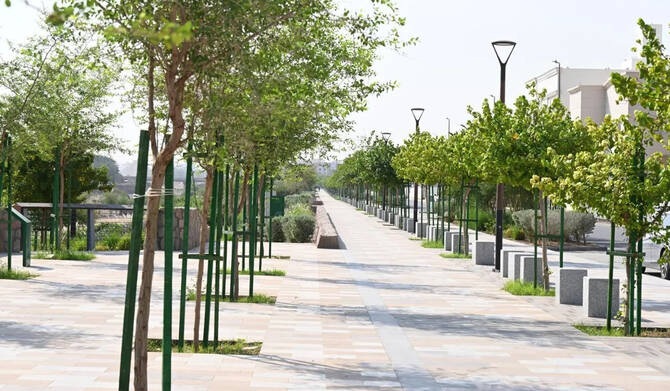
Sustainability Efforts Shine as Madinah Celebrates World Soil Day
Madinah – Madinah marked World Soil Day with renewed optimism and a forward-looking commitment to protect the region’s diverse soils, underscoring how healthy soil forms the backbone of sustainable agriculture and food security.
The celebration highlighted the region’s heritage and its deep relationship with farming, soil preservation and environmental resilience.
With its long agricultural history and a landscape that ranges from clay-rich valleys to sandy plains and volcanic Harrat soils, Madinah remains one of Saudi Arabia’s most unique ecological areas.
The day emphasized how these natural assets continue to support farming communities, especially the centuries-old tradition of date cultivation.
Local experts and environmental authorities noted that the challenges facing soil health remain manageable when met with scientific planning and sustained collaboration.
Issues such as rising salinity, imbalanced irrigation practices and the effects of climate change are being addressed through new regional initiatives.
To counter these pressures, government agencies are prioritizing soil protection programs designed to enhance long-term agricultural productivity.
These include modern irrigation techniques aimed at reducing water waste, improving soil structure and maintaining essential nutrient levels.
Authorities also stressed how soil acts as a natural water purifier, filtering contaminants and supporting groundwater stability.
As winter begins, farmers are taking advantage of the season to enrich their soils, preparing for expanded crop growth and healthier harvests in the spring.
The Ministry of Environment, Water and Agriculture in Madinah continues to promote sustainable agricultural practices that align with national goals for resource efficiency.
Efforts include educating farmers, strengthening community awareness and implementing programs to combat desertification in vulnerable areas.
Farmers across the region play an essential role in this development by adopting organic fertilization methods and recycling agricultural waste.
These practices support soil biodiversity, reduce environmental pressure and create long-term ecological balance.
World Soil Day serves as a reminder of how essential cooperation is between government bodies, farmers and environmental partners.
By working together, they can secure soil sustainability, protect agricultural heritage and reinforce the region’s food stability.
This global day, recognized by the Food and Agriculture Organization of the United Nations, celebrates soil as a living resource that nurtures ecosystems and strengthens human well-being.
Its message encourages communities worldwide to adopt sustainable practices that protect soil from degradation and promote its recovery.
In Madinah, the observance reflects a broader national commitment to sustainability, echoing the goals of Vision 2030.
Through environmental stewardship, technological innovation and community engagement, the region is building a more resilient agricultural future.
As the world acknowledges the vital role of soil, Madinah continues to demonstrate leadership by taking practical steps to safeguard its natural resources.
The region’s efforts affirm that sustainable soil management is not only possible but essential for economic growth, food prosperity and ecological stability.
By nurturing its soil, Madinah is nurturing its future—ensuring that generations to come inherit land that remains fertile, protected and capable of sustaining life.
The celebration of World Soil Day stands as a symbol of commitment, progress and shared responsibility for the planet’s well-being.