US Envoy Role for Iraq Under Review as Diplomatic Focus Shifts
Washington – Developments in Washington indicate that the role of the United States special envoy for Iraq is undergoing a transition, reflecting evolving diplomatic priorities and administrative adjustments within the US foreign policy framework. Sources familiar with the matter say the position, announced late last year, is no longer being actively held in its previous form.
The change comes at a time when the United States continues to assess its engagement strategy with Iraq, a key partner in the Middle East. Officials have emphasized that Washington remains committed to supporting Iraq’s stability, sovereignty, and long-term development through diplomatic channels and strategic cooperation.
The individual appointed to the envoy role had been expected to contribute to strengthening bilateral dialogue and facilitating communication between Washington and Baghdad. However, recent indications suggest that the responsibilities linked to Iraq policy may now be managed through existing diplomatic structures rather than a standalone envoy position.
US officials have not publicly detailed the reasons behind the adjustment, and no formal announcement has been made regarding a successor. Observers note that such changes are not uncommon as administrations refine their approaches based on regional developments and internal coordination needs.
Diplomatic sources suggest that oversight of Iraq-related matters may be integrated into a broader regional portfolio handled by senior officials already engaged in Middle East affairs. This approach is seen as a way to ensure continuity while aligning Iraq policy with wider regional objectives.
Iraq remains an important partner for the United States in areas such as energy, security cooperation, and economic engagement. American officials have repeatedly stated that their goal is to work with Iraqi institutions in a manner that respects national decision-making processes and promotes inclusive governance.
The recent personnel developments coincide with active diplomatic engagement across the region, including consultations with allies and partners on security, economic resilience, and regional stability. Analysts say these discussions underscore Washington’s intent to maintain constructive relations with Baghdad while addressing broader strategic considerations.
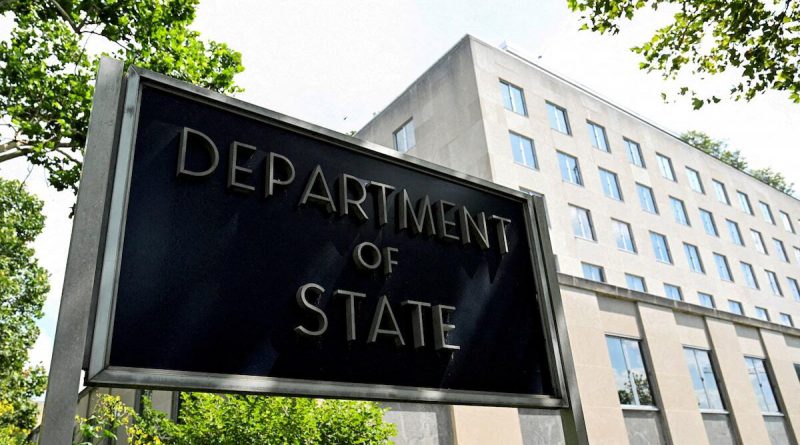
While the envoy role itself appears to be in transition, US diplomatic activity related to Iraq continues through the State Department and other official channels. Embassies, regional envoys, and senior diplomats are expected to carry forward dialogue on key bilateral and regional issues.
Iraqi officials, for their part, have continued routine engagement with US counterparts, focusing on cooperation frameworks that have been in place for several years. These include economic partnerships, educational exchanges, and coordination on shared security interests.
The absence of a dedicated envoy has not altered official commitments on either side, according to observers. Instead, it reflects a recalibration of how diplomatic resources are deployed to best serve policy goals amid a complex regional landscape.
As Washington reviews its diplomatic structures, attention remains on sustaining steady communication and collaboration with Iraq. Both sides have expressed interest in maintaining a balanced and forward-looking relationship that contributes to regional stability and mutual benefit.
Further clarity on the handling of the Iraq portfolio is expected in due course as administrative processes conclude. Until then, existing diplomatic mechanisms are set to continue guiding engagement between the United States and Iraq.