India’s Parliament Expansion Bill on Women’s Quotas Suffers Setback
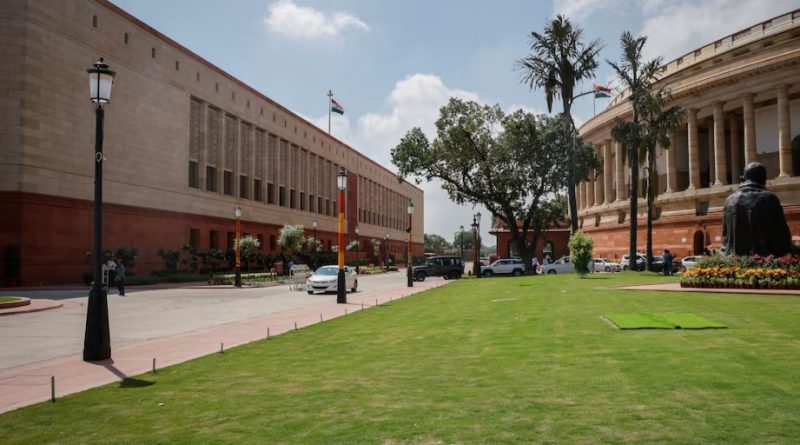
New Delhi- India’s parliament on Friday failed to pass a government-backed constitutional amendment bill to expand legislative assemblies and accelerate the implementation of a one-third quota for women lawmakers, dealing a rare legislative setback to Prime Minister Narendra Modi.
The proposed law, which sought to increase the size of the lower house by about 55% to 850 seats ahead of the 2029 general elections, fell short of the required two-thirds majority, with 298 lawmakers voting in favor and 230 against in the Lok Sabha.
The government had linked the expansion to the implementation of women’s reservation, arguing that redrawing constituency boundaries based on updated population data was necessary to ensure equitable representation. Seats in parliament have remained frozen since the 1971 census, despite significant demographic changes.
Opposition parties supported the principle of reserving seats for women but opposed tying it to a nationwide delimitation exercise, alleging the move could be used to alter electoral dynamics in favor of the ruling party.
Opposition leader Rahul Gandhi criticized the bill shortly after the vote, calling it an “unconstitutional trick” that undermined the Constitution under the guise of advancing women’s representation.The government rejected those claims, maintaining that the proposal was essential for modernizing India’s electoral framework.
Interior Minister Amit Shah defended the bill in parliament, warning that blocking it would disappoint women across the country and vowing continued efforts to secure legislative backing for gender quotas.
A law passed in 2023 had already approved reserving one-third of parliamentary seats for women, but its implementation was contingent on the completion of the next census and subsequent constituency redrawing, a process still underway and expected to delay enforcement beyond the next election cycle.
Women currently account for about 14% of members in the lower house and 17% in the upper house, with representation in state legislatures averaging around 10%, according to official data.
The failure of the bill highlights ongoing political divisions over electoral reforms and gender representation, as well as the challenges of securing broad consensus for constitutional amendments in India’s increasingly polarized parliament.