Argentina Eases Glacier Protections, Sparking Protests Over Mining and Water Security
“What is at stake is the protection of key water reserves in Argentina.”
A controversial reform to Ley de Glaciares has intensified debate in Argentina, as the government moves to relax environmental protections in high-altitude regions to facilitate mining investment.
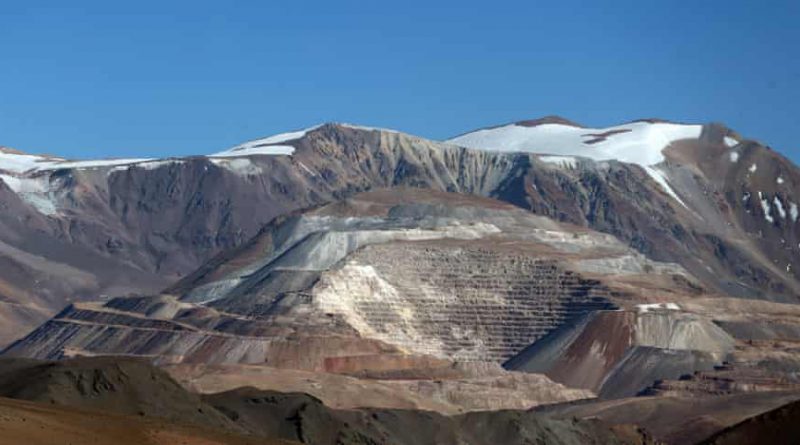
The decision has triggered protests from environmental groups and raised concerns among communities dependent on glacier-fed water systems.The shift follows years of tensions surrounding mining operations such as the Veladero mine, a gold and silver project that began operating in 2005 in San Juan Province.
The mine, jointly owned by Barrick Mining Corporation and Shandong Gold, has long been at the center of environmental scrutiny. A cyanide spill in 2015 polluted rivers in the region, raising concerns about downstream water safety in the Jáchal basin, although subsequent studies indicated that contamination levels remained within safe limits.
Additional spills reported in 2016 and 2017 remain under investigation.Local residents and environmental advocates have argued that operations at Veladero violate glacier protection laws, which were originally designed to prohibit industrial activity in sensitive high-mountain ecosystems.
These concerns have persisted despite legal challenges by mining companies, including attempts to have the law declared unconstitutional, which were rejected by Argentina’s Supreme Court.The newly approved reform, backed by President Javier Milei, introduces significant changes to how glacier protection is applied.
Passed by 137 votes to 111 in the Chamber of Deputies following earlier Senate approval, the legislation allows provincial authorities to determine which glaciers and periglacial areas qualify for protection.
The criteria hinge on whether these ice formations serve a “relevant water function,” effectively decentralizing decision-making that was previously governed by national standards.
Government officials argue that the reform is essential to unlocking Argentina’s mineral wealth, particularly as global demand for critical resources such as lithium and copper rises in response to the energy transition.
Milei described the previous framework as overly restrictive, stating that it created “artificial obstacles” and prevented development even in areas lacking significant environmental value.However, critics contend that the changes weaken a foundational environmental safeguard.
Andrés Nápoli, executive director of the Foundation of Environment and Natural Resources, warned that the reform undermines protections for key water reserves. He argued that linking glacier exploitation to sustainable energy goals presents a contradiction, emphasizing that glaciers play an essential role in maintaining ecological balance.
Environmental groups estimate that approximately 7 million people, or 16 percent of Argentina’s population, rely on glacier-fed water systems. Beyond supplying rivers, glaciers regulate fragile ecosystems that are increasingly vulnerable to climate change.
In the country’s northwest, scientists report that glacier mass has declined by around 17 percent over the past decade, heightening concerns about long-term water availability.The reform has prompted public demonstrations, including protests organized by Greenpeace outside the National Congress.
Several activists were detained earlier this year during a demonstration coinciding with Senate deliberations. Protesters argue that transferring authority to provincial governments risks prioritizing short-term economic gains over environmental sustainability.
Supporters of the reform, including provincial leaders in resource-rich regions, maintain that the previous law was overly broad and hindered investment in areas where environmental impact is minimal. Luis Lucero stated during a congressional hearing that framing mining and environmental protection as mutually exclusive is misleading, describing it as a misconception that should be removed from public discourse.
Experts caution that the issue extends beyond technical definitions of glaciers. Ruiz noted that glaciers are dynamic systems whose role in water supply can vary over time, making it difficult to assess their importance through fixed criteria.
He argued that the debate is ultimately political, centering on who has the authority to determine what constitutes a resource worth protecting.In communities such as Jáchal, the stakes are immediate and tangible. Residents have expressed fears about water contamination and long-term environmental degradation.
Activists like Zeballos, a local campaigner, have taken personal measures such as avoiding river water, citing concerns over safety. For many, the issue is framed not only as an environmental question but as one of survival.The reform underscores the broader challenge facing resource-rich nations seeking to balance economic development with environmental preservation.
As Argentina positions itself as a key supplier of minerals critical to global energy systems, tensions between national growth strategies and local ecological concerns are likely to intensify.