US-Iran Talks in Islamabad Face Uncertainty Over Lebanon Ceasefire, Sanctions Demands
Islamabad — The United States and Iran were set to begin negotiations in Islamabad on Saturday aimed at ending their six-week conflict, but uncertainty clouded the talks as Tehran insisted on prior commitments regarding Lebanon and sanctions relief.
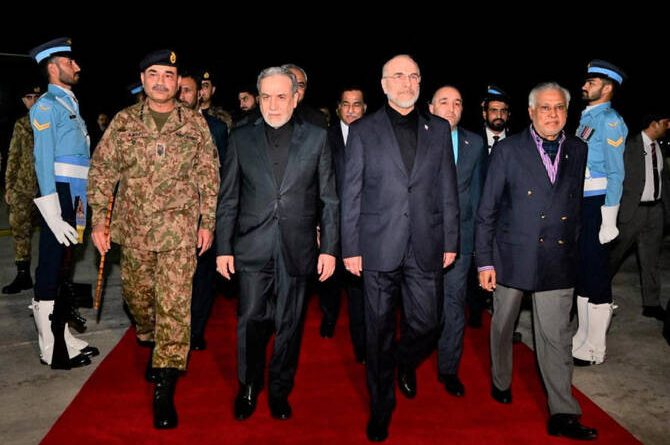
The U.S. delegation, led by Vice President JD Vance and including special envoy Steve Witkoff and adviser Jared Kushner, was en route to the Pakistani capital after a stop in Paris. The Iranian side, headed by parliamentary speaker Mohammad Baqer Qalibaf and Foreign Minister Abbas Araghchi, arrived on Friday.
Qalibaf said Iran did not trust the United States based on past negotiations and warned that talks would not proceed unless Washington fulfilled earlier commitments, including unblocking Iranian assets and securing a ceasefire in Lebanon.
Iranian officials have linked progress in the talks to developments in the parallel conflict involving Hezbollah, a stance rejected by Washington and its allies.U.S. President Donald Trump said on social media that Iran “has no cards,” adding that Tehran’s leverage was limited to disrupting international waterways.
Vice President Vance, speaking en route, expressed cautious optimism about the negotiations but warned that the U.S. would respond firmly if it perceived bad-faith tactics.The talks come amid a fragile ceasefire announced earlier this week following weeks of U.S. and Israeli strikes on Iran and retaliatory actions by Tehran.
While the ceasefire has paused direct attacks, it has not resolved Iran’s blockade of the Strait of Hormuz, which continues to disrupt global energy flows.Pakistan imposed extensive security measures in Islamabad ahead of the negotiations, with Prime Minister Shehbaz Sharif describing the meeting as “make-or-break.” Thousands of security personnel were deployed across the city.
Parallel tensions persist in Lebanon, where Israeli operations against Hezbollah have continued despite diplomatic efforts. Lebanese President Joseph Aoun has called for a ceasefire as a condition for broader negotiations, while Israeli officials have signaled that upcoming talks with Lebanese representatives in Washington would proceed without linking them to a truce.
Iran has also pushed for broader concessions, including the lifting of sanctions and recognition of its authority over transit through the Strait of Hormuz, a proposal that would significantly alter regional power dynamics. While Iranian vessels were reported to be moving freely through the strait, shipping by other nations remains constrained.
The disruption to energy supplies has contributed to inflationary pressures and slowed global economic activity, with analysts warning that the impact could persist even if negotiations lead to a reopening of the route.Iran’s leadership has maintained a firm stance ahead of the talks.
Mojtaba Khamenei said Tehran would seek compensation for wartime damage and hold those responsible accountable.Despite U.S. claims of degrading Iran’s military capabilities, Tehran retains missile and drone capacity and a significant stockpile of highly enriched uranium, underscoring the challenges facing negotiators in reaching a comprehensive agreement.