Bangladesh weighs hybrid schooling to curb energy use amid fuel strain
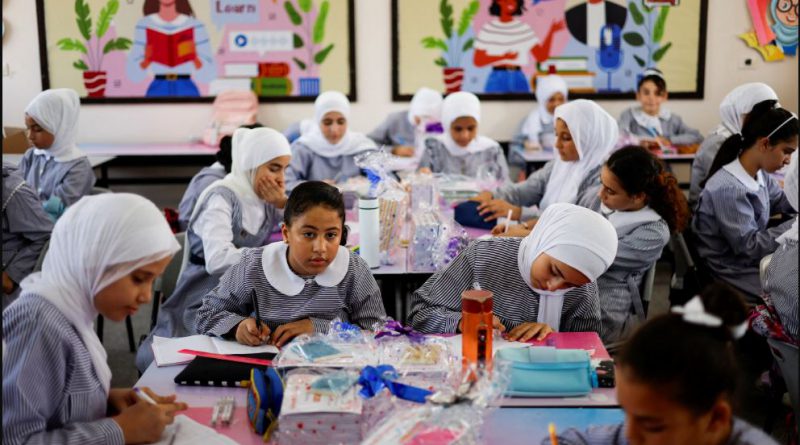
Dhaka— Bangladesh is considering introducing partial online classes in schools as part of austerity measures to ease pressure from rising energy costs and supply constraints linked to global market disruptions, officials said on Tuesday.
Education Minister A.N.M. Ehsanul Hoque Milon said the proposal is under active review following discussions with Prime Minister Tarique Rahman, as authorities look to reduce fuel consumption while maintaining academic continuity.
The plan would introduce a mixed system combining online and in-person classes, initially for schools, with discussions ongoing on extending it to colleges. Universities may adopt separate arrangements, the minister said.
Officials cited a recent survey indicating that about 55% of students and guardians support a hybrid model, though concerns remain that fully online learning could increase social isolation.
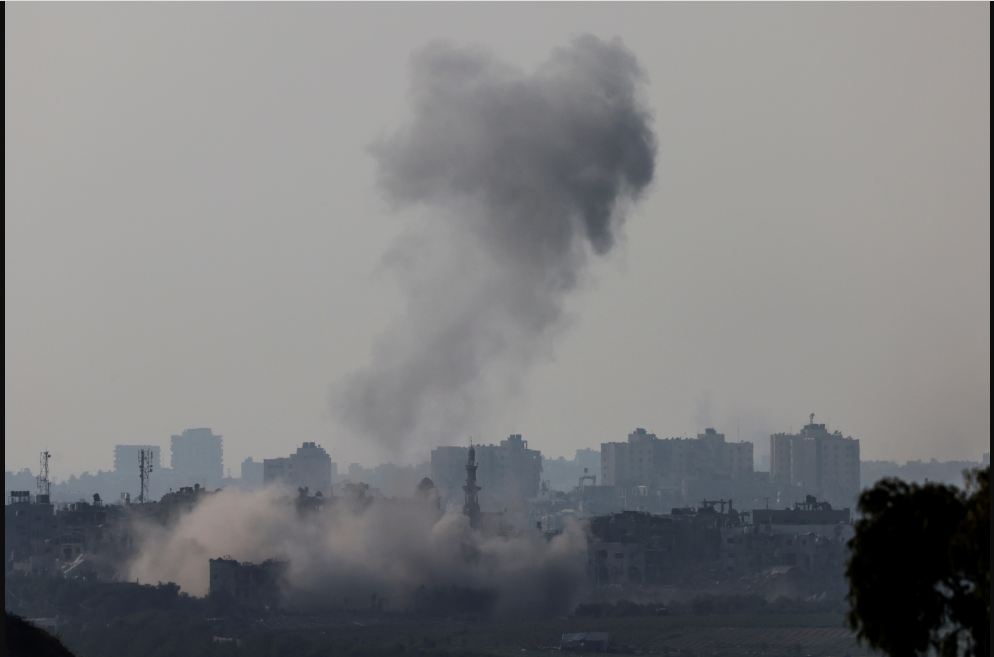
Bangladesh’s move comes as rising global oil prices, driven by instability in the Middle East, strain domestic fuel supplies. The country relies on imports for around 95% of its energy needs, leaving it vulnerable to external shocks.
Authorities have already introduced measures to manage shortages, including fuel rationing, limits on vehicle fuel sales and reduced operating hours for fuel stations amid reports of panic buying and hoarding.
The government is also evaluating additional steps such as expanding remote work for offices and adjusting weekly holidays to reduce overall energy consumption.
Officials said Bangladesh is seeking more than $2.5 billion in external financing to support imports of fuel and liquefied natural gas, as pressure mounts on foreign exchange reserves.