Lebanon war deepens mental health crisis as displacement surges
Beirut— Renewed war in Lebanon has sharply intensified a nationwide mental health crisis, with mass displacement, rising casualties and sustained insecurity pushing an already vulnerable population toward what aid agencies describe as a psychological emergency.
Mental health specialists and humanitarian organisations say the latest escalation, following the 2024 conflict between Israel and Hezbollah, is compounding years of trauma linked to economic collapse, displacement and the 2020 Beirut port explosion.
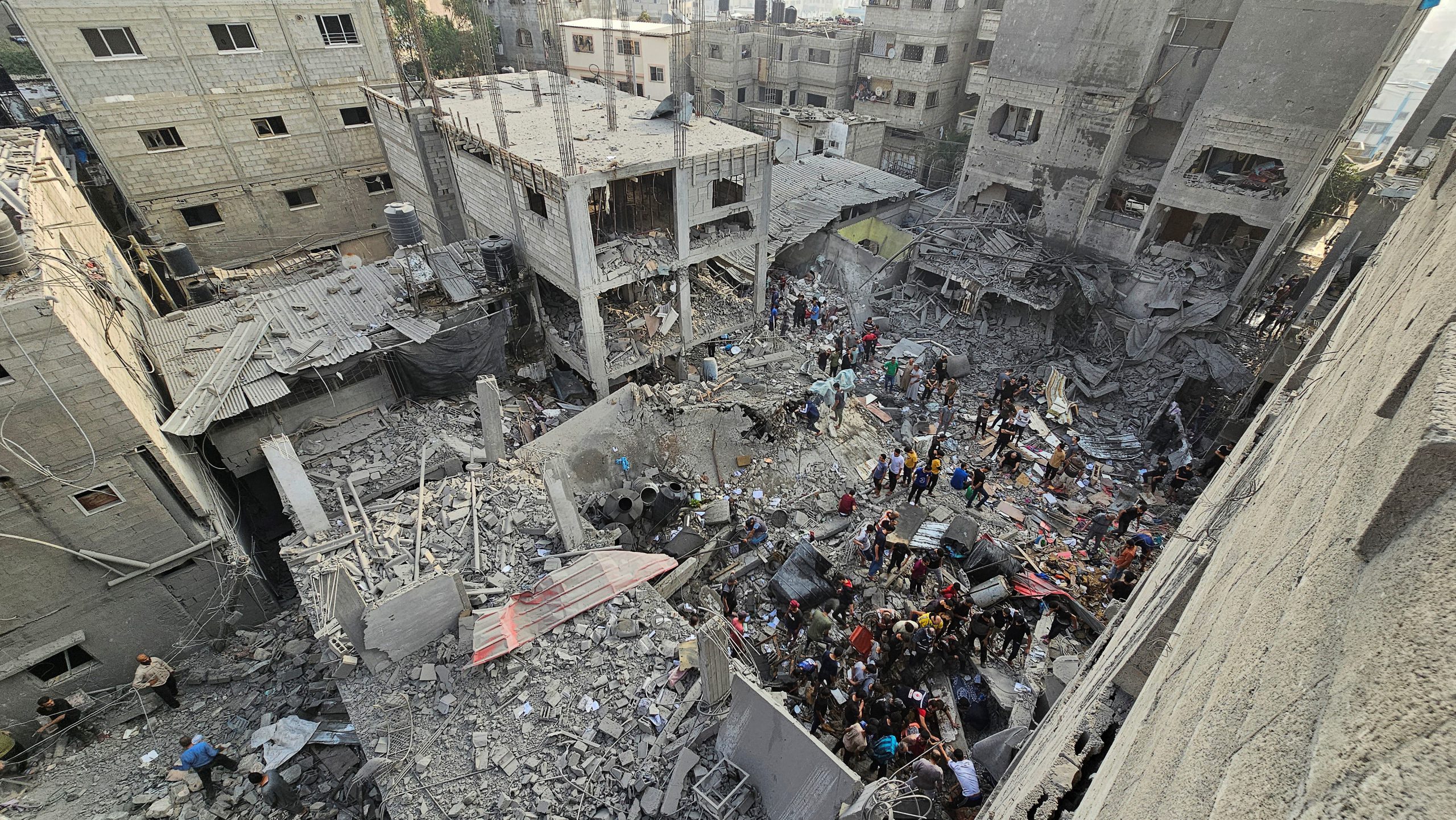
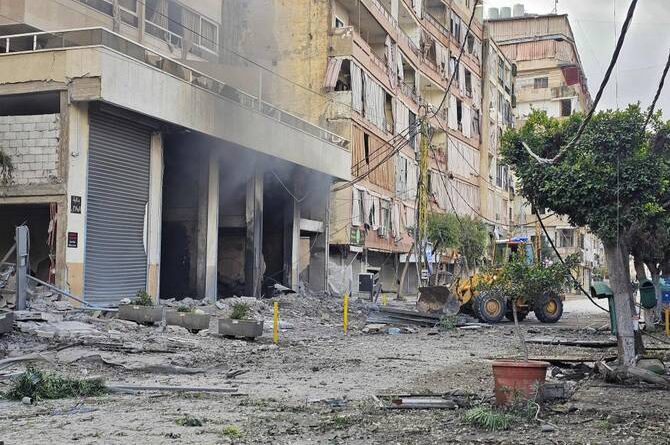
More than 1,120 people have been killed, 3,235 wounded and around 1.3 million displaced in less than a month, according to available data, with United Nations estimates indicating roughly one-fifth of the population has been forced from their homes.
Civilians fleeing Israeli airstrikes and evacuation warnings have often left without belongings, seeking refuge in overcrowded areas including Beirut, where conditions remain strained.
Aid agencies warn that repeated displacement is reopening psychological wounds, particularly among those already affected by previous crises.Dr. George Karam, a Beirut-based psychiatrist, said that between 2020 and 2023, 63% of Lebanese experienced mental health problems, and that the current conflict is worsening these conditions “to a dangerous degree.”
He said demand for psychological support has risen sharply as people struggle with fear, exhaustion and uncertainty.The International Rescue Committee said that even before the latest escalation, nearly half the population screened positive for conditions such as depression, anxiety and post-traumatic stress disorder.
Ongoing exposure to violence is now driving increased cases of severe anxiety, sleep disruption and emotional distress, it added.Lebanon’s National Mental Health Programme has expanded services, including hotlines and public guidance, but demand is rapidly outpacing capacity.
Calls to crisis hotlines doubled in the first 10 days of the escalation, with 55% of callers reporting acute distress and 30% expressing suicidal thoughts, according to programme data.
Mobile crisis teams have been deployed across Beirut and other regions to provide urgent care for those unable to access health facilities. However, insecurity and infrastructure damage are limiting access just as needs surge, aid groups said.
Children, women and displaced populations are bearing disproportionate impacts. UNICEF estimates more than 370,000 children have been displaced in three weeks, while UN Women reports that about a quarter of women and girls have been forced to flee, increasing risks of income loss, disrupted healthcare and gender-based violence.
The UN refugee agency has warned of a “humanitarian catastrophe,” as overcrowding, instability and limited services deepen vulnerabilities across communities.
Aid officials say the psychological toll is now visible across all segments of society, including among those with no prior history of mental health conditions. “People are living under constant threat, with no clear sense of safety,” said Magda Rossmann, the International Rescue Committee’s country director in Lebanon.
Lebanese health officials warn that without sustained international funding and an end to hostilities, the mental health impact of the crisis could become a long-term public health emergency, with effects lasting for years beyond the conflict.