Global Water Crisis Deepens as Demand Surges and Systems Struggle to Cope
“We are reaching a point where water scarcity is no longer a distant threat but a daily reality for millions.”
The global water crisis is intensifying as population growth, climate pressures and infrastructure gaps strain already limited freshwater resources, according to policymakers, scientists and humanitarian organisations.
Experts warn that water scarcity is no longer confined to traditionally arid regions but is increasingly affecting urban and rural populations worldwide. “We are reaching a point where water scarcity is no longer a distant threat but a daily reality for millions,” said a senior water policy analyst involved in international resource management discussions.
Hydrologists say shifting rainfall patterns and rising temperatures are altering water availability across continents. “Climate variability is disrupting the predictability of water systems,” said a climate scientist specialising in hydrological cycles.
“Regions that once depended on seasonal rainfall are now experiencing prolonged dry spells, followed by intense but irregular precipitation that is difficult to capture and store.”According to development agencies, demand for water is rising rapidly due to urbanisation, industrial expansion and agricultural needs.
“Agriculture alone accounts for the majority of freshwater use globally,” said a representative from a multilateral development institution. “Without improvements in efficiency, the gap between supply and demand will continue to widen.
”In many cities, ageing infrastructure is compounding the problem. Urban planners say that significant volumes of treated water are lost through leakage before reaching consumers. “In some systems, up to a third of water is lost due to outdated pipelines and poor maintenance,” said an infrastructure specialist working with municipal authorities.
“This represents a critical inefficiency at a time when every drop counts.”Access to safe drinking water remains uneven, particularly in low-income and conflict-affected regions. Humanitarian workers report that millions of people still rely on unsafe or distant water sources.
“Communities are often forced to travel long distances to collect water, which affects health, education and livelihoods,” said a field coordinator working in water-stressed areas.Public health experts emphasise the link between water scarcity and disease.
“Limited access to clean water increases the risk of waterborne illnesses,” said a medical researcher focused on environmental health. “It also undermines sanitation and hygiene practices, which are essential for preventing outbreaks.
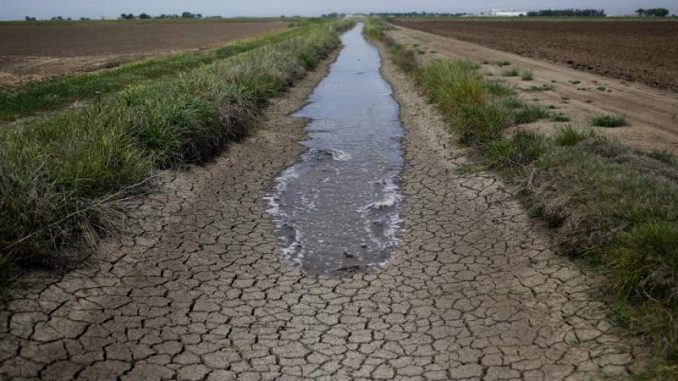
”Groundwater depletion is emerging as a critical concern in several regions. Hydrogeologists warn that excessive extraction is lowering water tables at unsustainable rates. “In many places, groundwater is being used faster than it can be replenished,” said a researcher studying aquifer systems.
“This creates long-term risks for food security and drinking water supply.”Industrial use of water is also under scrutiny. Environmental analysts say that without stricter regulation and monitoring, industrial consumption can place additional stress on local water resources.
“Industries must adopt more sustainable practices and invest in recycling and treatment technologies,” said an environmental policy expert.In response to these challenges, governments and international organisations are implementing a range of measures, including conservation campaigns, infrastructure upgrades and policy reforms.
“Water management needs to be integrated across sectors,” said a government official involved in national water planning. “Fragmented approaches will not be sufficient to address the scale of the crisis.”Technological solutions are being explored, including desalination, wastewater recycling and smart water management systems.
Engineers caution, however, that such solutions require significant investment and may not be accessible to all regions. “Technology can play a role, but it is not a substitute for sustainable resource management,” said a water systems engineer.
Financial constraints remain a major barrier. Development experts say that investment in water infrastructure has not kept pace with demand. “There is a substantial funding gap in the water sector,” said an economist specialising in public utilities.
“Bridging this gap is essential for ensuring equitable access.”Communities are also being encouraged to adopt conservation practices. Environmental groups stress the importance of behavioural change alongside policy measures.
“Water conservation starts at the household level,” said a sustainability advocate. “Small changes in usage patterns can collectively make a significant difference.”Despite these efforts, experts caution that progress is uneven and often slow.
“The challenge is not just technical but institutional,” said a governance specialist. “Effective water management requires coordination, transparency and long-term planning.”As pressures on global water resources continue to mount, stakeholders agree that urgent and coordinated action is required.
“Water is fundamental to every aspect of life and development,” said a senior official at an international organisation. “Ensuring its availability is one of the defining challenges of our time.”
Field observations and expert assessments indicate that without sustained investment, policy coherence and public awareness, the gap between water availability and demand is likely to widen further, increasing the risks to health, food security and economic stability.