Fear, faith and isolation: how superstition continues to shape justice in rural India
“When something goes wrong, people don’t look for reasons — they look for someone to blame.”
In a remote village in eastern India, the death of a young child earlier this year triggered a chain of events that reflects a persistent reality across parts of rural India.
With no immediate medical explanation available, suspicion quickly turned toward a middle-aged widow living on the outskirts of the settlement. Within hours, whispers spread that she was responsible through supernatural means.
Villagers gathered outside her home late into the night, accusing her of practising witchcraft. Local accounts indicate that the situation escalated rapidly, with a group attempting to assault her before intervention by a few residents who alerted authorities.
Police later escorted the woman out of the village for her safety.Incidents of this nature, often described as “witch-hunting,” continue to be reported in several states, particularly in areas with limited access to healthcare, education and formal dispute resolution mechanisms.
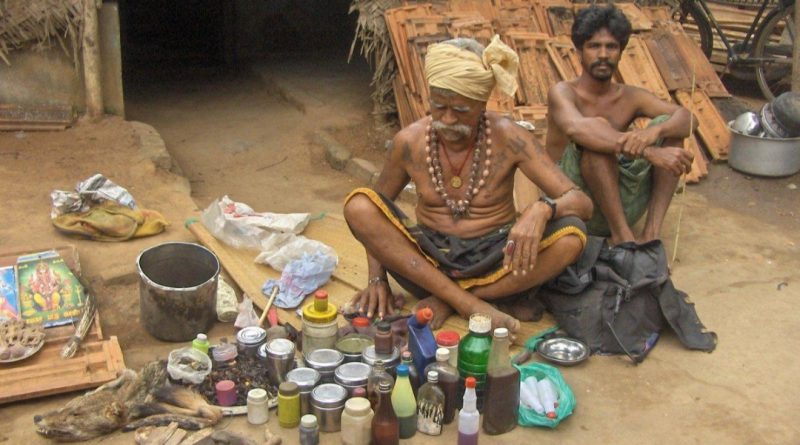
While laws criminalising such acts exist in multiple states, enforcement remains uneven.the role of local healers and misinformationIn many cases, suspicion is reinforced by the involvement of local healers, often referred to as “ojhas” or “tantriks,” who are consulted when illness or misfortune strikes.
These individuals, who operate outside formal medical systems, may attribute events such as disease, crop failure or livestock deaths to supernatural causes.Residents in affected regions say such consultations are often the first response due to the absence of nearby medical facilities.
In the recent village case, locals said a healer had suggested that “an external force” was responsible for the child’s death, which contributed to the targeting of the woman.Social dynamics also play a role.
Those accused are frequently from vulnerable groups, including widows, elderly individuals or those without strong family support. Disputes over land, inheritance or personal grievances can intersect with superstition, intensifying accusations.
India does not have a single national law addressing witch-hunting, but several states, including Jharkhand, Bihar and Odisha, have enacted legislation criminalising accusations of witchcraft and related violence.
These laws provide for penalties including imprisonment and fines for those involved in branding individuals as witches or inciting harm.However, law enforcement officials acknowledge challenges in implementation.
Cases often go unreported due to fear of retaliation or lack of awareness. In some instances, local communities may resist police intervention, viewing such matters as internal issues.
Data on the scale of the problem remains fragmented, though periodic reports from government and civil society organisations indicate that dozens of cases are recorded each year.
Activists say the actual number is likely higher, as many incidents are settled informally or not documented.Efforts to address superstition-driven violence have focused on awareness campaigns, education initiatives and improving access to healthcare.
Non-governmental organisations working in rural areas report gradual shifts in attitudes, particularly among younger populations.At the same time, deeply rooted beliefs continue to influence behaviour.
In regions where literacy levels are low and public services limited, traditional explanations for illness and misfortune often persist alongside modern systems.
Officials involved in rural development programmes say that long-term change depends on strengthening institutional presence in villages, including schools, healthcare centres and legal support systems.
They emphasise that addressing underlying socio-economic conditions is critical to reducing reliance on superstition.For the woman at the centre of the recent incident, relocation has provided temporary safety, but her future remains uncertain. Local authorities say they are monitoring the situation, though no arrests have been confirmed.
Across rural India, similar episodes continue to highlight the intersection of belief, vulnerability and governance, underscoring the challenges of ensuring legal protection in areas where traditional practices remain deeply embedded.