Culture in Transition: How Globalisation is Reshaping Identity and Tradition
Istanbul—From traditional attire to language, food and family structures, cultures around the world are undergoing rapid transformation as globalisation, migration and digital connectivity reshape how people live and identify themselves.While cultural exchange has long been a feature of human societies, the scale and speed of change in the 21st century are unprecedented.
The spread of global media, social platforms and cross-border commerce has created a shared cultural space where influences blend, evolve and sometimes clash.
In cities across Asia, Africa and the Middle East, younger generations are redefining identity by combining traditional values with modern lifestyles. This hybridisation is visible in everything from fashion where local textiles meet global trendsto music, where traditional instruments are fused with contemporary genres.
Yet this transformation is not without tension. Cultural preservationists warn that rapid change risks eroding heritage, particularly in communities where traditions are passed down orally or through practice rather than formal documentation.
“Globalisation brings opportunity, but also vulnerability,” said a cultural anthropologist based in Europe. “When dominant cultures overshadow local ones, smaller traditions can disappear within a generation.
”Language is one of the most affected domains. Linguists estimate that nearly half of the world’s languages could become extinct by the end of the century, as younger speakers shift toward dominant global languages such as English, Mandarin and Spanish for economic and social mobility.
At the same time, digital tools are enabling new forms of cultural preservation. Online archives, social media and streaming platforms allow communities to document and share traditions with global audiences. In some cases, this visibility has sparked renewed interest among younger generations.
Tourism also plays a dual role. Cultural tourism has become a major economic driver, encouraging communities to preserve heritage sites, crafts and festivals. However, commercialization can sometimes lead to the “packaging” of culture, where traditions are modified to meet tourist expectations.
In regions affected by conflict, culture often becomes both a casualty and a form of resistance. In parts of the Middle East and South Asia, communities have used art, poetry and storytelling to preserve identity amid political instability and displacement.
Women play a central role in this cultural continuity. In many societies, they are the custodians of language, rituals and family traditions. From preserving culinary practices to maintaining oral histories, women often serve as the bridge between generations.
However, changing gender roles are also reshaping cultural norms. Increased access to education and employment is enabling women to challenge traditional expectations, leading to shifts in family structures and social dynamics.
Urbanisation is another key driver of cultural change. As people migrate from rural areas to cities, they encounter diverse influences that reshape their identities. Urban centers become melting pots where different cultures interact, sometimes leading to new forms of expression and sometimes to friction.
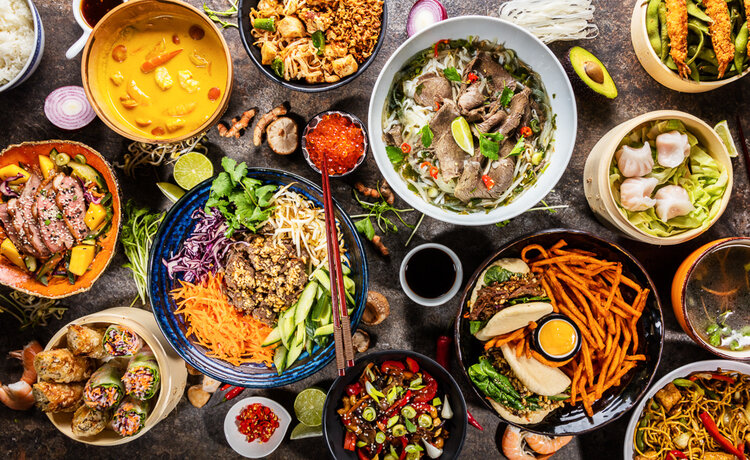
Food culture offers a vivid example of this evolution. Global supply chains and migration have introduced new ingredients and cuisines into local diets. Fusion foods combining elements from different culinary traditions are becoming increasingly popular, particularly among younger consumers.
At the same time, there is a growing movement toward reclaiming and celebrating indigenous and local traditions. From farm-to-table movements to the revival of traditional crafts, communities are seeking to balance modernity with heritage.
Governments and international organizations are also stepping in. Cultural preservation initiatives, heritage listings and funding programs aim to protect endangered traditions and sites. However, experts caution that preservation efforts must involve local communities to be effective and sustainable.
The role of technology cannot be overstated. Social media platforms have become powerful tools for cultural expression, allowing individuals to showcase traditions, challenge stereotypes and connect with diasporas around the world.
Diaspora communities themselves are key actors in cultural transformation. Living between cultures, they often create new identities that blend elements of their heritage with those of their host countries. These hybrid identities can influence both home and host cultures.
Despite concerns about cultural homogenization, many scholars argue that globalisation does not simply erase differences but transforms them. Cultures adapt, borrow and innovate, creating new forms of expression that reflect changing realities.
“The idea of culture as something fixed is outdated,” said the anthropologist. “It is dynamic, constantly evolving in response to internal and external influences.
”For many communities, the challenge lies in navigating this change without losing a sense of identity. Balancing tradition and modernity requires conscious effort, particularly in a world where external influences are pervasive and often dominant.
As global interconnectedness continues to deepen, the future of culture will likely be defined by this tension between preservation and adaptation. Whether traditions endure, transform or fade will depend not only on external forces but also on the choices made within communities themselves.
In that sense, culture remains what it has always been: a living, evolving expression of human experience.