Deadly Kabul strike deepens Afghanistan-Pakistan rift amid disputed target claims
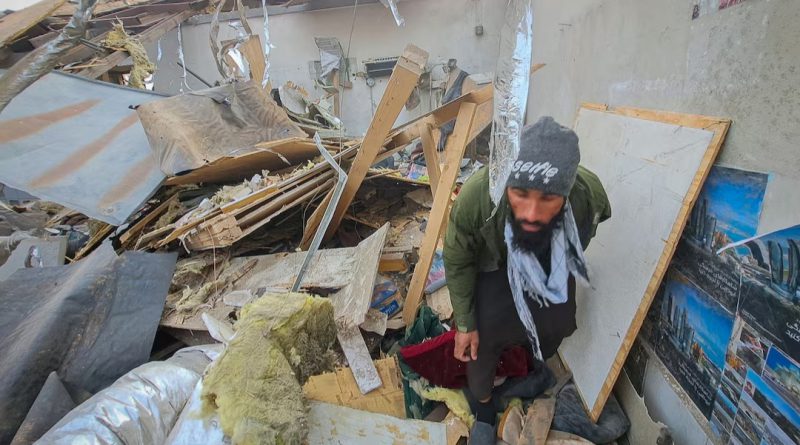
Kabul – Families searched for missing relatives at a rehabilitation centre in Kabul on Wednesday, two days after Pakistan carried out an air strike that Afghan authorities say killed more than 400 people, in what has become the deadliest incident in months of escalating tensions between the two neighbours.
The Afghan Taliban government said the strike, which hit a facility in the capital late on Monday as patients and staff were praying ahead of the end of Ramadan, also wounded at least 265 people.
The casualty figures have not been independently verified.The United Nations Assistance Mission in Afghanistan (UNAMA) told Reuters that 143 people were killed and 119 wounded, offering a significantly lower toll than Afghan authorities.
Relatives gathered at the site on Wednesday, combing through lists and debris in search of loved ones who had been undergoing treatment at the centre.
“We came here looking for our patient, he is missing,” said Mazar, 50, who gave only one name.
“We checked the lists, but his name was not in the list of the living. Maybe he is injured or has been killed.”Afghanistan’s interior ministry said funerals for some of those killed would take place later in the day.
Afghan authorities said the strike hit a well-known civilian rehabilitation centre, formerly a NATO military base known as Camp Phoenix that had been converted into a treatment facility about a decade ago.
Pakistan rejected those claims, stating that its forces had “precisely targeted military installations and terrorist support infrastructure,” disputing assertions that civilians were the primary victims.
Independent experts said verifying the exact nature of the target would be difficult without a third-party investigation, given sharply conflicting accounts from both sides.
The strike marks a sharp deterioration in relations between Afghanistan and Pakistan, already strained by cross-border security concerns. The incident comes amid broader regional instability linked to the ongoing U.S.-Israeli conflict with Iran, further complicating the security landscape.