Headline:Myanmar Parliament Reconvenes After Coup as Military Tightens Grip on Power
Naypyidaw_Myanmar’s parliament convened on Monday for the first time since the military seized power five years ago, marking a key step in what the junta has described as a return to civilian governance following an election dominated by the army-backed party.
The session follows a phased election in which the military-aligned Union Solidarity and Development Party (USDP) secured a sweeping victory amid low voter turnout and the absence of a viable opposition. Retired brigadier-general and USDP chairman Khin Yi was elected speaker of the lower house on Monday, a position analysts say could play a central role in advancing the military’s political agenda.
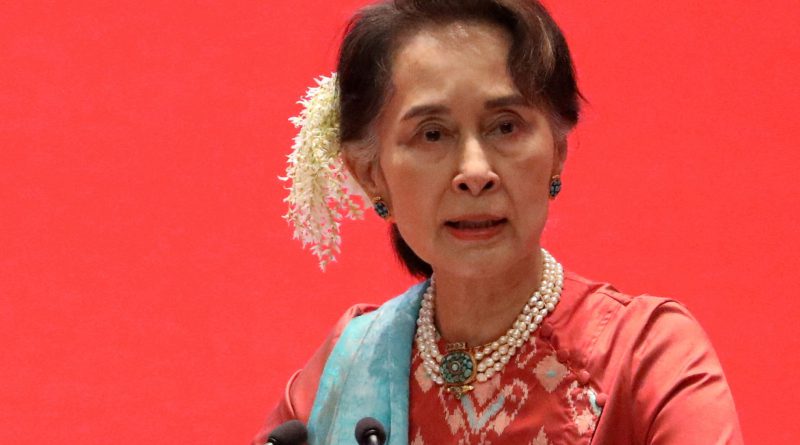
Myanmar has been mired in civil war and a worsening humanitarian crisis since the armed forces overthrew the government of Nobel Peace Prize laureate Aung San Suu Kyi in 2021, just as her administration was preparing to begin a second five-year term following a landslide electoral victory.
The Union Solidarity and Development Party, formed by the military in 2010, won 81% of contested seats in the election, according to official results. The bicameral parliament will also include dozens of military officers appointed directly by the armed forces, which are constitutionally guaranteed a quarter of the seats in the legislature.
Analysts say the arrangement effectively places the parliament under military control, giving the top brass decisive influence over the selection of the country’s next president. Junta chief and coup leader Min Aung Hlaing is widely expected to assume the presidency once the new government is formed.
“This level of control makes it clear that one can expect nothing substantial from this body; it is evidently a parliament that will operate solely at the whim of the military leader,” independent analyst Htin Kyaw Aye said.
The military leadership also plans to establish a new five-member panel, the Union Consultative Council, which some experts have described as a “superbody” designed to consolidate authority over both civilian administration and the armed forces.
The junta has rejected international criticism of the election, saying the process reflected the will of the people. Officials have indicated that a new government could be formed as early as April and have expressed hope that the political transition may help ease sanctions and revive foreign investment.
A commentary published Monday in the state-run Global New Light of Myanmar said the convening of parliament had raised expectations across the country for improved political stability and governance focused on national interests.