Rediscovered Time: Two Lost 1960s Doctor Who Episodes Found in Collector’s Film Archive
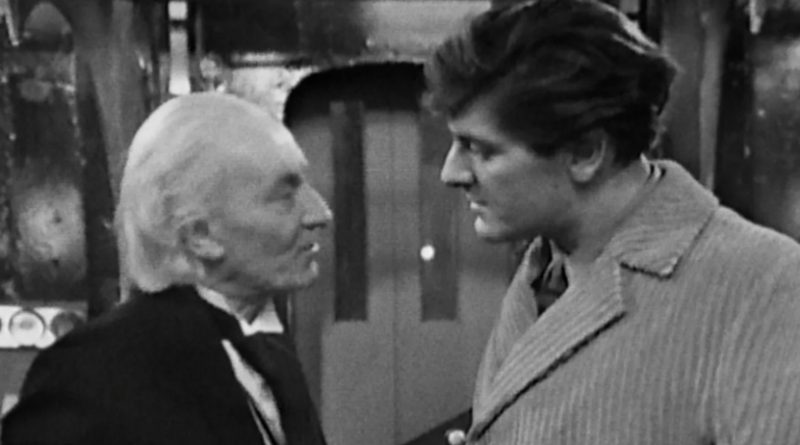
A remarkable discovery has thrilled fans of classic British television after two long-missing episodes of the iconic sci-fi series Doctor Who were uncovered in an unexpected place — a box of vintage film reels belonging to a private collector. The episodes, unseen since they were originally broadcast in the mid-1960s, feature the first version of the Doctor portrayed by William Hartnell and are part of the legendary Dalek storyline that once captivated audiences during the early years of the programme.
The discovery brings renewed excitement to historians, archivists and devoted fans of the series, as lost television episodes from the early era of British broadcasting are extremely rare. For decades, many segments of the show’s early seasons were believed to have vanished forever due to archival practices that involved wiping or discarding tapes once programmes had been broadcast.
The rediscovered episodes were found inside a cardboard box among a disorganized assortment of old film materials owned by a collector whose archive contained a mixture of rare cinema and television prints.
While sorting through this eclectic collection, archivists discovered two reels that appeared to contain material from Doctor Who.Further examination confirmed that the reels were authentic recordings of two episodes from the third season of the programme.
These episodes had not been seen publicly since their original broadcast nearly six decades ago.The find marks the first time in more than a decade that missing episodes from the classic era of the series have been recovered. Enthusiasts and historians consider it one of the most significant discoveries related to the show in recent years.
The rediscovered episodes were found inside a cardboard box among a disorganized assortment of old film materials owned by a collector whose archive contained a mixture of rare cinema and television prints. While sorting through this eclectic collection, archivists discovered two reels that appeared to contain material from Doctor Who.
Further examination confirmed that the reels were authentic recordings of two episodes from the third season of the programme. These episodes had not been seen publicly since their original broadcast nearly six decades ago.
The find marks the first time in more than a decade that missing episodes from the classic era of the series have been recovered. Enthusiasts and historians consider it one of the most significant discoveries related to the show in recent years.
The recovered episodes are part of the famous Dalek narrative known as The Daleks’ Master Plan, one of the most ambitious story arcs in the programme’s early history. Written by Dalek creator Terry Nation alongside writer Dennis Spooner, the story was originally produced as a twelve-episode serial.
This dramatic saga follows the Doctor and his companions as they attempt to stop the Daleks’ plot to dominate Earth and extend their control across the solar system and beyond. The storyline was notable for its darker tone and larger scale compared with many other serials from the same period.
The first rediscovered episode, titled The Nightmare Begins, originally aired in November 1965. The second episode, Devil’s Planet, was broadcast approximately two weeks later.
Together, these instalments represent a crucial section of the narrative that introduces viewers to the Daleks’ wider scheme for galactic conquest.
To celebrate the discovery, the former actor Peter Purves, who portrayed the Doctor’s companion Steven Taylor in the series, was invited to a special screening at the Phoenix Cinema. Organizers reportedly arranged the invitation under a different pretext so the reveal could remain a surprise.
When the recovered episodes were shown to him, Purves reacted with astonishment and delight. He later remarked that he had never been more surprised in his life, expressing disbelief that the episodes had resurfaced after being presumed lost for so many years.
For Purves and other members of the original production team who are still alive, the discovery represents a rare opportunity to revisit work that many believed had disappeared forever.
These two recovered instalments join another episode from the same storyline that was previously rediscovered in 2004. That earlier find meant that the first three chapters of the Daleks’ Master Plan serial now exist again in sequence.
The previously recovered episode had been located by a former BBC engineer who happened to possess a copy of the recording. Together with the two newly discovered episodes, the opening portion of the storyline can now be viewed much closer to how audiences experienced it during its original run.
However, the majority of the serial remains missing. Of the twelve episodes originally produced, more than half have yet to be located, leaving gaps in one of the programme’s most celebrated story arcs.
In addition to Hartnell and Purves, the serial featured several actors who would later become familiar figures in British television. One notable appearance came from Nicholas Courtney, who played Bret Vyon in the storyline. Courtney later returned to the series to portray the beloved recurring character known as the Brigadier.
The cast also included Adrienne Hill as Katarina and Kevin Stoney as the villainous Mavic Chen. Their performances helped shape the dramatic intensity that made the serial memorable among long-time viewers.
The storyline itself was known for its ambitious scale and darker themes. At the time, its tone was considered unusually serious for family television, dealing with concepts such as political intrigue, betrayal and planetary destruction.
The disappearance of numerous Doctor Who episodes from the 1960s is largely the result of television archiving policies that were common during that era. Broadcasters often reused videotapes or disposed of film copies once programmes had been transmitted.
Because storage was expensive and there was little expectation that older shows would be rebroadcast, wiping tapes became a routine practice. As a result, many early episodes of the series were erased or destroyed, leaving gaps in the historical record.
While some copies were sold or distributed to international television stations, others simply vanished over time. This is why many recovered episodes have been discovered in overseas archives or private collections decades later.
The latest discovery was made possible through the efforts of a Leicester-based charitable organization called Film Is Fabulous!, which focuses on preserving and celebrating historic film materials.
Members of the organization have spent years examining private collections and archives in search of rare film prints. Their dedication ultimately led to the identification of the two Doctor Who episodes hidden among the collector’s materials.
The discovery also ends what had become the longest period without any newly recovered lost episodes from the programme. The last major find had been announced in 2013, when several episodes were recovered from a television archive in Nigeria.
Many previously recovered episodes had been located in archives belonging to foreign broadcasters. During the 1960s and 1970s, the BBC distributed copies of its programmes internationally, and some of those copies survived in storage long after the original masters were erased.However, the Dalek storyline was never widely distributed overseas, making it less likely that copies would appear in foreign archives.
This limited distribution is one of the reasons why the serial has remained incomplete for so long.The discovery within a private collection therefore represents a different pathway to recovery one that relies on the preservation habits of collectors rather than institutional archives.
Although the discovery of these two episodes represents a major success, the search for other missing parts of the Doctor Who archive continues. Archivists, collectors and television historians remain hopeful that additional instalments may still exist in forgotten collections or archives around the world.
The enduring popularity of the show which has remained on air in various forms since 1963 ensures that interest in recovering its lost history remains strong.For now, the rediscovery of these episodes stands as a reminder that even after decades, lost pieces of television history can still reappear in the most unexpected places.
For fans of the Doctor and his adventures across time and space, it is another thrilling chapter in the continuing story of preserving one of Britain’s most beloved series.