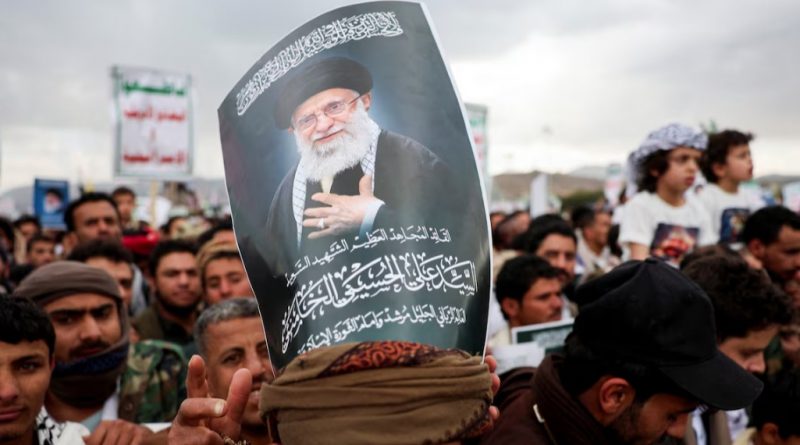
Houthis hold back from Iran conflict despite regional escalation
Riyadh_ Yemen’s Houthi movement has so far refrained from formally entering the regional war triggered by U.S. and Israeli strikes on Tehran, even as other Iran-aligned groups in Lebanon and Iraq have joined the confrontation, according to officials and analysts tracking the conflict.
The Iran-backed movement, which controls large parts of Yemen and possesses significant missile and drone capabilities, has previously demonstrated its ability to strike targets across the Gulf and disrupt maritime navigation around the Arabian Peninsula. Despite those capabilities, the group has not issued any formal declaration indicating it has joined the current conflict.
The Houthis, a Shi’ite political and armed movement, expanded their influence after unrest linked to the Arab Spring protests in 2011 destabilised Yemen’s political system.
Capitalising on the turmoil, the group captured the Yemeni capital Sanaa in 2014, triggering a wider conflict that drew in regional powers. In 2015, Saudi Arabia led a coalition of Arab states in a military intervention aimed at pushing the Houthis from power.
During years of fighting, the Houthis developed significant missile and drone capabilities and carried out attacks on oil facilities and infrastructure in both Saudi Arabia and the United Arab Emirates.
The conflict created one of the world’s most severe humanitarian crises before the United Nations brokered a truce between the warring sides in 2022. The ceasefire has largely held since then.
The Houthis demonstrated their regional reach after the Oct. 7, 2023 attack on Israel led by the Palestinian militant group Hamas and the subsequent Israeli military campaign in Gaza.
In response, the Houthis launched attacks on international shipping in the Red Sea, saying their actions were intended to support Palestinians. They also fired drones and missiles toward Israel, prompting retaliatory air strikes on Houthi targets.
Houthi attacks on shipping subsided after a U.S.-brokered ceasefire between Israel and Hamas in October 2025.
Despite remaining outside the current conflict, the group’s leadership has signalled it is prepared to act if circumstances change.
On March 5, Houthi leader Abdul Malik al-Houthi said in a televised address that the group was ready to escalate militarily if developments warranted.“Regarding military escalation and action, our fingers are on the trigger at any moment should developments warrant it,” he said.
Unlike Iran-aligned groups such as Hezbollah in Lebanon and armed factions in Iraq, the Houthis do not follow the religious authority of Iran’s supreme leader in the same doctrinal structure.
While Iran promotes the Houthis as part of its regional “Axis of Resistance,” Yemen specialists say the movement remains primarily driven by domestic political priorities, even as it maintains political and strategic ties with Tehran and Hezbollah.