US grants temporary waiver on Russian oil purchases as Iran war drives crude above $100
Dubai — The United States has issued a 30-day waiver allowing countries to purchase sanctioned Russian petroleum products currently at sea in an effort to ease global energy prices that have surged amid the war involving the United States and Israel against Iran, according to officials and market data on Friday.
The temporary licence was granted as benchmark Brent crude traded around $101 per barrel by 1000 GMT, reflecting continued volatility in energy markets despite Washington’s move. Oil prices have surged nearly 40% since the start of the conflict, driven by fears that escalating hostilities could disrupt global supplies.
Financial markets in Asia also came under pressure as traders weighed the risks of prolonged instability in the Middle East, a region that remains central to global energy production and transportation.
Oil prices jumped about 9% to around $100 a barrel on Thursday as concerns intensified over the durability of supply chains during the ongoing conflict. Traders have been particularly focused on the security of the Strait of Hormuz, the narrow maritime corridor through which roughly one-fifth of the world’s oil supply passes.
Iran has attacked vessels in the strategic waterway during the current confrontation, heightening fears that further disruptions could ripple across global energy markets.
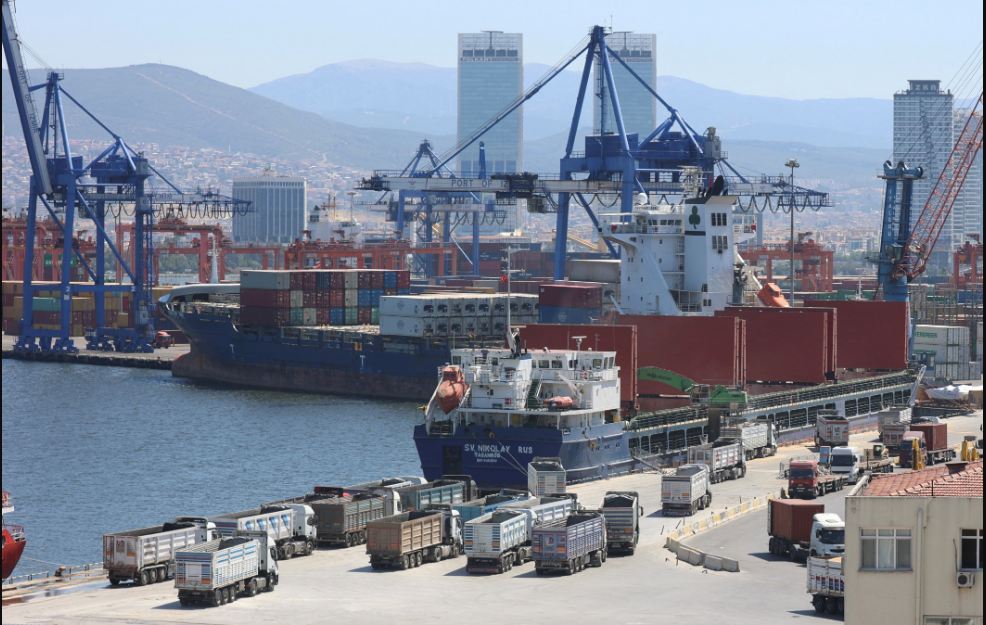
The waiver issued by Washington allows countries to buy Russian petroleum cargoes already at sea, where shipments frequently change ownership during transit. The measure is intended to increase short-term supply availability and reduce upward pressure on prices.
“The temporary increase in oil prices is a short-term and temporary disruption that will result in a massive benefit to our nation and economy in the long term,” said Scott Bessent, the U.S. Treasury secretary.
The energy market turbulence comes as the conflict between Israel and Iran entered its third week with continued missile exchanges.
Iran launched another barrage of missiles and drones toward Israel on Friday, while the Israeli military said it conducted air strikes across Tehran and continued operations against the Iranian-aligned Hezbollah militia in Lebanon, including strikes around the capital, Beirut.
Iranian media reported that rallies marking Quds Day began across Iran in support of Palestinians. Residents in Tehran and the nearby city of Karaj reported hearing explosions and fighter jets during Israeli strikes, according to local media coverage.
Energy traders have closely followed comments by Donald Trump regarding the likely duration of the conflict, which has added to volatility in oil markets and global equities.
The sharp rise in crude prices has contributed to declines in U.S. stocks and broader market unease as investors assess the potential for prolonged disruptions to energy flows.
The waiver allowing limited Russian oil transactions reflects Washington’s attempt to cushion global markets while the conflict continues to unfold across the region.