Kremlin Says Russia Invites Zelenskiy to Moscow for Peace Talks
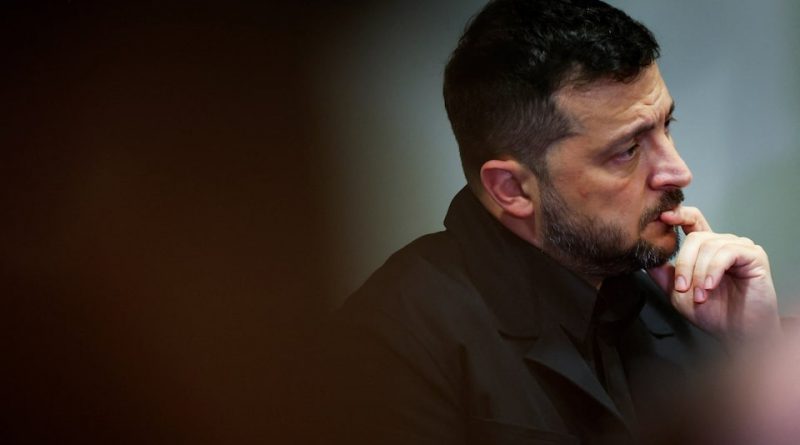
Moscow – Russia has reiterated an invitation for Ukrainian President Volodymyr Zelenskiy to travel to Moscow for direct peace talks, signaling a renewed diplomatic gesture as international efforts to end the nearly four-year conflict in Ukraine intensify. The Kremlin said the offer remains open, framing it as part of broader attempts to move discussions forward amid growing global pressure for a negotiated settlement.
The statement came at a sensitive moment, with both Russia and Ukraine continuing military operations while simultaneously engaging in limited humanitarian and diplomatic exchanges. On the same day as the announcement, the two sides carried out another exchange of war dead, underlining the human cost of the conflict even as talks about peace continue in parallel.
The renewed invitation follows recent momentum generated by US-mediated negotiations held in Abu Dhabi, which brought Russian and Ukrainian delegations together for discussions aimed at narrowing differences. While these talks have not produced a breakthrough, they have injected fresh energy into diplomatic efforts and raised expectations that higher-level engagement could follow.
Despite this progress, the Kremlin declined to comment on reports suggesting that Moscow and Kyiv may have agreed to halt strikes on each other’s energy infrastructure. Energy facilities have been a major target in recent months, contributing to widespread power outages in Ukraine and heightening concerns about civilian hardship during the winter period.
Officials in Moscow indicated that they have not yet received a response from Zelenskiy regarding the invitation to visit the Russian capital. The Ukrainian leader previously rejected a similar proposal, arguing that he could not travel to a country whose forces were launching daily attacks on Ukraine. At the time, he suggested that any face-to-face meeting should instead take place in Kyiv.
The possibility of a direct meeting between Zelenskiy and Russian President Vladimir Putin has resurfaced repeatedly during the conflict, often viewed as a potential turning point. Kremlin officials have stressed that such a meeting would require extensive preparation and must be focused on delivering concrete results rather than symbolic gestures.
Russian presidential aides have said that Zelenskiy’s safety would be guaranteed if he chose to come to Moscow, an assurance aimed at addressing security concerns that have previously been raised by Kyiv. However, the political and symbolic implications of such a visit remain highly sensitive for Ukraine’s leadership and public opinion.
Major disagreements continue to stand in the way of a comprehensive peace deal. These include disputes over territorial control, particularly in regions occupied by Russian forces, as well as questions about possible international peacekeeping arrangements and the future status of strategic infrastructure such as the Zaporizhzhia nuclear power plant.
Meanwhile, voices within Russia reflect differing perspectives on the path forward. While Kremlin officials emphasize diplomacy, some regional leaders and hardline figures have called for continued military pressure, highlighting internal debates over how the conflict should be pursued or concluded.
International actors remain closely involved, with the United States playing a central role in facilitating dialogue. Washington has signaled cautious optimism about recent developments, with senior officials suggesting that the gap between the two sides may be narrowing, even as fighting on the ground remains intense.
Another round of talks between Russian and Ukrainian negotiators is scheduled to take place in Abu Dhabi, raising hopes that technical discussions could lay the groundwork for higher-level political engagement. Whether Zelenskiy will accept the invitation to Moscow, propose an alternative venue, or continue negotiations through intermediaries remains unclear.
For now, the Kremlin’s message appears aimed at projecting openness to dialogue while maintaining its negotiating position. As diplomatic efforts continue alongside military operations, the invitation underscores the complex balance between war and diplomacy that has defined the conflict, leaving the prospects for peace uncertain but still actively pursued.