Atomic Scientists Move Doomsday Clock Closer to Midnight Than Ever
Washington – Atomic scientists have moved the symbolic Doomsday Clock closer to midnight than at any point in its history, warning that the world is edging dangerously nearer to catastrophic global disaster due to rising geopolitical tensions, nuclear risks, technological threats and climate pressures.
The clock has now been set to 85 seconds before midnight, marking the closest position since its creation in 1947. Scientists behind the initiative say the shift reflects a convergence of escalating risks that humanity has failed to contain through diplomacy, cooperation and responsible governance.
The Doomsday Clock, maintained by the Bulletin of the Atomic Scientists, serves as a metaphorical measure of how close the world is to self-inflicted annihilation. Midnight represents global catastrophe, and each adjustment signals scientists’ assessment of existential threats facing humanity.
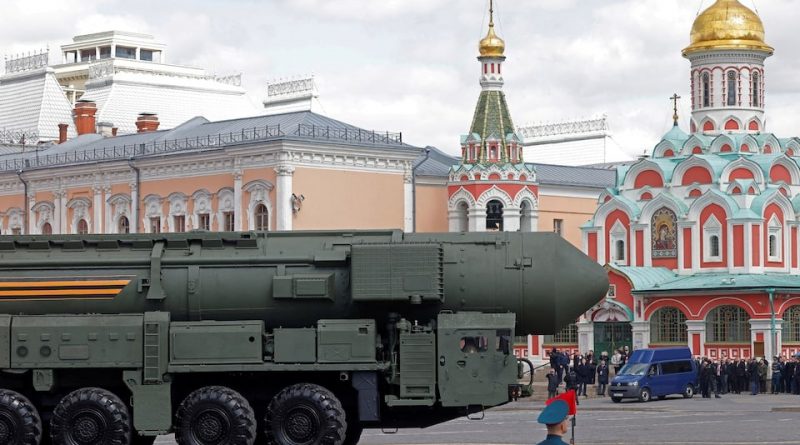
This year’s decision highlights aggressive behaviour by major nuclear powers, including the United States, Russia and China. Ongoing wars, nuclear brinkmanship and the erosion of arms control agreements have sharply increased the likelihood of miscalculation or escalation.
The conflict in Ukraine remains a central concern, with nuclear-armed Russia continuing its military campaign and repeatedly invoking nuclear capabilities. Scientists say the prolonged war has normalized the presence of nuclear threats in conventional conflicts.
Tensions in the Middle East have also contributed to the clock’s movement, as regional instability risks drawing in nuclear-armed states or triggering wider confrontation. Scientists warn that unresolved conflicts create fertile ground for unintended escalation.
Another major factor is the weakening of nuclear arms control frameworks. The impending expiration of the New START treaty between the United States and Russia has raised alarms among experts, as it is the last remaining agreement limiting deployed nuclear warheads between the two powers.
Scientists say the lack of progress on renewing or replacing arms control agreements has left the global nuclear order increasingly fragile. The possibility of a renewed era of nuclear weapons testing has further heightened concern.
Beyond nuclear dangers, artificial intelligence has emerged as a growing risk. Scientists warn that unregulated integration of AI into military systems could accelerate decision-making beyond human control, increasing the chance of accidental conflict.
AI’s role in spreading disinformation and deepening political polarization was also cited as a destabilizing force. Experts say false narratives can undermine democratic institutions, fuel conflict and weaken international cooperation.
Climate change continues to be a persistent and compounding threat. Scientists argue that worsening climate impacts strain global systems, intensify resource competition and increase the likelihood of political instability and conflict.
The clock’s adjustment also reflects frustration with what scientists describe as a global failure of leadership. They argue that nationalism, authoritarianism and zero-sum geopolitics are replacing cooperation at a time when shared solutions are urgently needed.
The Doomsday Clock has been moved closer to midnight three times in the past four years, underscoring a trend of worsening global conditions rather than improvement. Scientists say little progress has been made to reduce existential risks.
Experts point to rising military confrontations in Asia, including tensions around Taiwan and the Korean Peninsula, as additional flashpoints with global implications.
The growing competition among major powers has undermined trust and reduced the willingness to engage in meaningful arms reduction or confidence-building measures.
Scientists also expressed concern over domestic attacks on science, media and academic institutions in several countries, warning that weakening truth-based systems erodes the ability to respond effectively to global threats.
Journalists and researchers involved in the announcement stressed that information warfare and disinformation pose a crisis of their own, distorting public understanding of risks and delaying action.
The Bulletin of the Atomic Scientists was founded by scientists involved in the Manhattan Project, including Albert Einstein and J. Robert Oppenheimer, to warn the public about nuclear dangers after World War Two.
Their message remains consistent decades later: humanity possesses the tools to destroy itself, but also the knowledge to prevent catastrophe if leaders choose cooperation over confrontation.
Scientists urge immediate action to reduce nuclear risks, regulate emerging technologies, address climate change and rebuild international trust before the clock moves even closer to midnight.