India plans sharp cut in car import tariffs under EU trade pact
New Delhi – India is preparing to significantly reduce import tariffs on passenger cars from the European Union as part of a landmark free trade agreement that is nearing completion.
The proposed move would lower duties on selected imported vehicles to 40 percent from levels that currently reach as high as 110 percent.
The tariff reduction represents the most ambitious opening yet of India’s heavily protected automobile sector. It comes as New Delhi and Brussels move toward announcing the conclusion of long-running trade negotiations.
According to people familiar with the discussions, the reduced tariff will apply to a limited number of imported cars priced above 15,000 euros. The government is expected to allow immediate duty cuts for these vehicles once the agreement framework is announced.
Over time, the tariff could be lowered further to 10 percent, gradually easing access to the Indian market for European automakers.
This phased approach is intended to balance foreign competition with the protection of domestic manufacturers.
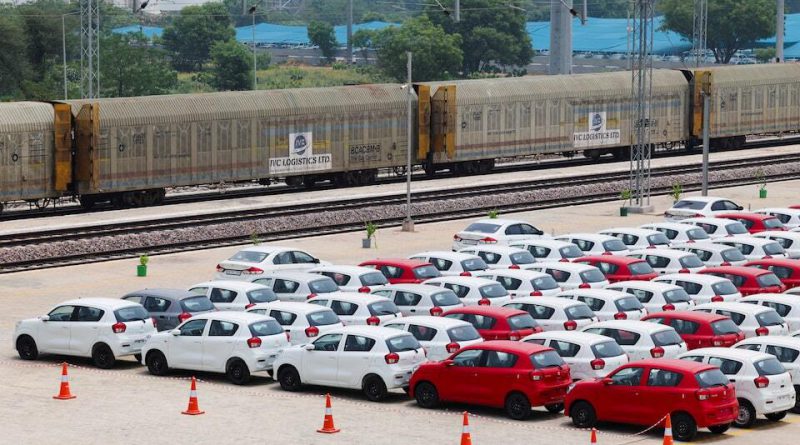
India is currently the world’s third-largest car market after the United States and China, with annual sales of about 4.4 million vehicles.
Despite its size, the market has remained one of the most shielded globally, drawing criticism from foreign manufacturers for years.
At present, imported cars face duties ranging between 70 percent and 110 percent. These high taxes have limited the ability of global brands to compete on price and scale.
Under the new proposal, India could immediately cut import duties to 40 percent for around 200,000 combustion-engine vehicles per year. This quota-based opening may still be adjusted before the final agreement is announced.
Battery electric vehicles will not benefit from tariff cuts during the first five years of the deal. The decision reflects India’s aim to protect domestic investments in the electric mobility space.
Local players such as Tata Motors and Mahindra & Mahindra have made large commitments to electric vehicle production. Officials believe shielding EVs initially will help these firms strengthen their competitive position.
After the five-year protection period, electric vehicles are expected to follow a similar tariff reduction path. This gradual liberalisation is designed to give domestic manufacturers time to scale up.
European carmakers stand to gain significantly from the proposed changes. Companies such as Volkswagen, Renault, Stellantis, Mercedes-Benz, and BMW are expected to benefit the most.
Many of these manufacturers already assemble vehicles in India but rely on imports for premium and niche models. Lower duties would allow them to introduce a wider product range at more competitive prices.
Industry sources say cheaper imports will help carmakers test Indian consumer demand before committing to deeper local manufacturing.
This could encourage additional long-term investments in factories and supply chains.
Currently, European brands account for less than four percent of India’s passenger vehicle market. The segment is dominated by Suzuki Motor, along with Indian manufacturers Tata and Mahindra, which together command nearly two-thirds of sales.
India’s car market is projected to grow to six million units annually by 2030. This growth potential is one of the key attractions for European automakers seeking expansion beyond saturated markets.
Some companies are already planning fresh investments in anticipation of the trade deal. Renault is reworking its India strategy as it looks for growth outside Europe.
Volkswagen Group is also finalising its next phase of investment through its Skoda brand. Executives view tariff reform as critical to unlocking India’s full potential.
The broader trade agreement between India and the EU has been described by officials as transformational. It is expected to boost bilateral trade and support Indian exports such as textiles and jewellery.
Those sectors have faced headwinds due to higher tariffs imposed by other global partners. A stronger trade relationship with Europe could help offset those pressures.
Negotiations have stretched over nearly two decades, marked by repeated pauses and restarts. The current momentum reflects shifting global trade dynamics and a shared desire to reduce dependence on the United States.
If finalised, the deal would reshape India’s automotive landscape and redefine its trade ties with Europe. For policymakers, it represents a strategic bet on gradual liberalisation rather than abrupt market opening.