US Signals Possible Tariff Relief for India After Drop in Russian Oil Imports
Mumbai – The United States has hinted at the possibility of easing trade tariffs on India after a sharp decline in India’s imports of Russian crude oil, a development that could mark a turning point in recent trade tensions between the two countries. The signal comes at a time when global energy markets and geopolitical alignments remain under close scrutiny.
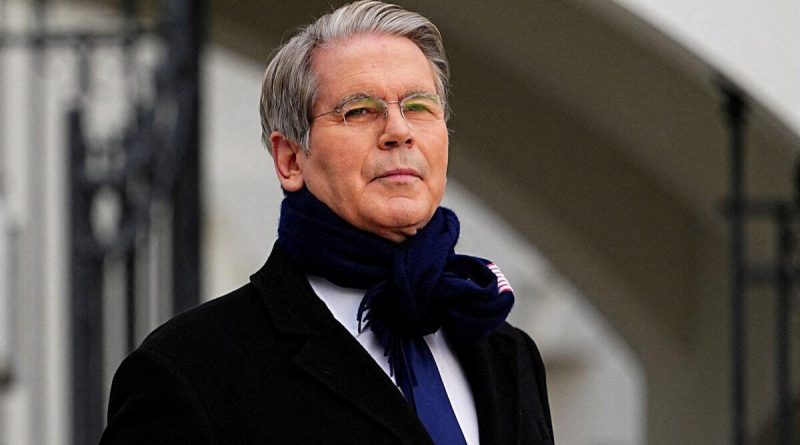
US Treasury Secretary Scott Bessent indicated that additional tariffs imposed on India could be reconsidered, following what he described as a collapse in Indian refinery purchases of Russian oil. His remarks suggest that Washington views the reduction in Russian oil imports as a positive outcome of its pressure tactics.
Trade relations between India and the United States became strained in August when tariffs on Indian goods were doubled to 50 percent. This included an extra 25 percent levy linked directly to India’s continued imports of Russian crude amid Western sanctions on Moscow.
The tariff hike had a broad impact on Indian exporters, particularly in sectors such as engineering goods, textiles, and consumer products. Businesses faced higher costs and reduced competitiveness in the US market, prompting concerns over long term trade stability.
Recent data shows that India’s imports of Russian oil fell sharply in December, reaching their lowest level in nearly two years. As a result, oil supplies from OPEC nations increased their share in India’s import basket, reflecting a shift in sourcing patterns.
This change has been closely watched by policymakers in Washington, who have repeatedly urged India to reduce economic engagement with Russia. The drop in oil imports appears to have strengthened India’s case for tariff relief in ongoing diplomatic discussions.
Speaking at an international economic forum, Bessent noted that tariffs related to Russian oil were still in place but suggested that a pathway exists to remove them. His comments were interpreted as a conditional offer tied to sustained changes in India’s energy procurement strategy.
The US administration has previously warned that tariffs could rise further if India failed to curb Russian oil purchases. These warnings created uncertainty for Indian businesses and added pressure on policymakers to balance energy security with geopolitical considerations.
For India, Russian oil had become an important source of discounted crude, helping to manage inflation and reduce import costs. Cutting back on these supplies carries economic implications, particularly at a time when global oil prices remain volatile.
However, the shift away from Russian oil may help India strengthen ties with Western partners and secure more favorable trade terms. Any rollback of tariffs would be welcomed by exporters and could provide a boost to bilateral trade flows.
Analysts say future decisions will depend on whether the reduction in Russian oil imports is sustained and how broader geopolitical dynamics evolve. Both countries appear to be using trade and energy policy as tools of strategic negotiation.
As talks continue, markets and businesses will closely monitor signals from Washington and New Delhi. A potential easing of tariffs could improve investor sentiment and reinforce India’s position as a key economic partner of the United States.