Bystanders caught in Iran unrest as violence claims civilians
Dubai – Violence during Iran’s latest wave of unrest has extended far beyond protesters, with witnesses and families describing how bystanders were also killed amid what they say was indiscriminate use of force by security personnel, deepening public fear and grief across the country.
The accounts suggest ordinary people going about daily life were struck down while observing or attempting to avoid demonstrations, turning streets into zones of panic and uncertainty.
Witnesses recount scenes in which security forces moved swiftly into protest areas and opened fire, leaving little distinction between demonstrators and passersby, according to testimonies shared with journalists and rights groups.
Families searching hospitals, morgues and detention centres say the lack of clear information has compounded their trauma, with many unsure whether loved ones are injured, detained or dead.
One widely cited case involves a young art student who was not participating in protests but was fatally shot while walking home near a demonstration.
Friends say he had paused briefly to watch events unfold before gunfire erupted, illustrating how quickly bystanders could become victims in the chaos. Such stories have circulated widely, reinforcing fears that simply being near a protest carried deadly risks.
Human rights organisations report that the unrest, which began as economic protests and rapidly escalated into broader political dissent, has been met with harsh tactics by authorities seeking to restore control.
Amnesty International and other groups allege that security forces used live ammunition, shotguns and metal pellets in crowded urban areas, sometimes firing from rooftops or elevated positions, increasing the danger to civilians.
The Iranian government has rejected claims of indiscriminate violence, blaming deaths on what it calls terrorists and foreign-backed agitators.
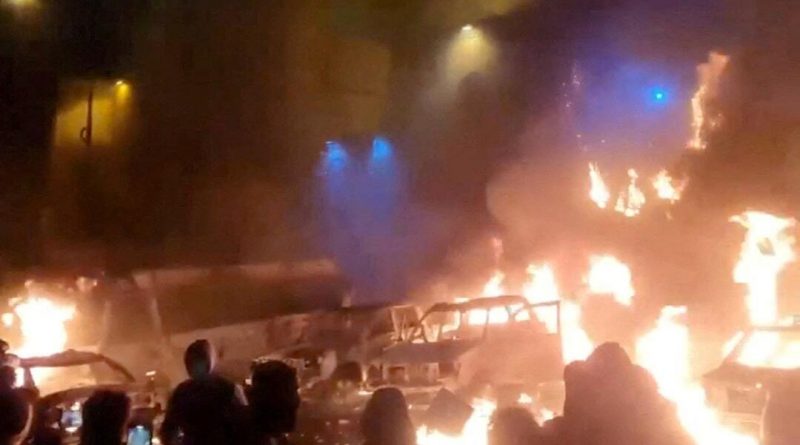
State media has broadcast images of damaged public buildings and police stations, framing the unrest as an organised campaign of destruction rather than spontaneous protests driven by public anger over economic hardship and political grievances.
Conflicting death tolls have added to the confusion, with rights groups estimating thousands of fatalities linked to the unrest, while officials provide lower but still significant figures.
Independent verification remains difficult due to restrictions on media access, internet shutdowns and limitations on communication with people inside the country, especially during the peak of violence.
International reaction has been cautious but concerned, with foreign governments and the United Nations urging restraint and respect for human rights.
Analysts say the unrest represents one of the most serious challenges to Iran’s leadership in years, as anger over economic pressures has merged with broader dissatisfaction over governance, freedoms and accountability.
For families of those killed, the political arguments offer little comfort. Many say their relatives had no intention of confronting authorities and were simply in the wrong place at the wrong time, underscoring the human cost of the crackdown.
As the unrest continues to shape Iran’s domestic and international standing, the stories of bystanders caught in the crossfire remain a stark reminder of how quickly instability can engulf everyday life.