EU warns of retaliation if US imposes new tariffs amid rising trade tensions
Dublin – European Union leaders have issued a firm warning that the bloc will respond decisively if the United States proceeds with new tariff measures against European allies, as concerns grow over escalating trade tensions linked to geopolitical disputes.
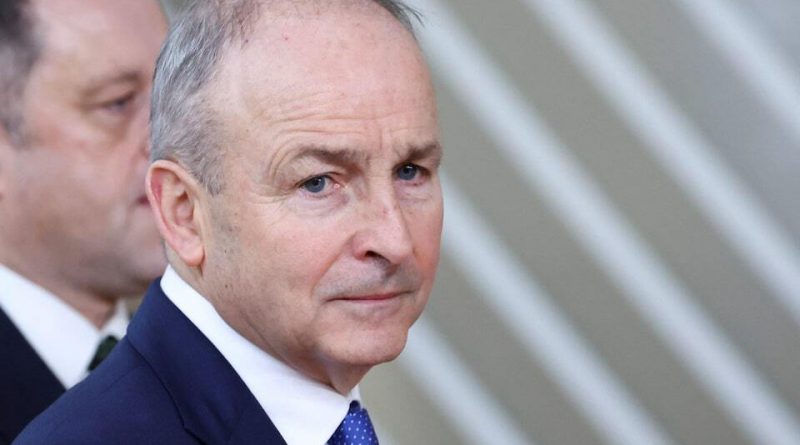
Ireland’s Prime Minister Micheal Martin said the EU is prepared to retaliate should the threatened tariffs materialize, stressing that such a move would have serious global consequences and further strain already fragile international economic relations.
He emphasized that recent developments have unfolded at an unusually rapid pace, increasing uncertainty for markets, governments, and businesses across both sides of the Atlantic.
Speaking in Dublin, Martin highlighted that while Europe remains committed to dialogue and diplomacy as the first course of action, it will not hesitate to defend its economic interests if provoked.
He noted that the EU’s priority is to prevent an escalation through constructive engagement with Washington, but made it clear that retaliation is inevitable if tariffs are imposed.
The comments reflect growing unease within the EU about the potential economic fallout of renewed trade disputes, especially at a time when global supply chains remain vulnerable and inflationary pressures persist in many economies.
The Irish prime minister also addressed speculation about whether the EU might deploy its Anti-Coercion Instrument, a powerful trade defense mechanism designed to counter economic pressure from external actors.
Martin said it was too early to consider activating the instrument, describing such a step as premature at this stage. However, he did not rule it out entirely, signaling that it could be placed on the table if circumstances deteriorate.
This cautious approach underscores the EU’s desire to balance firmness with restraint, keeping escalation tools in reserve while prioritizing negotiations.
Trade analysts note that any new round of tariffs between the US and the EU could have wide-ranging implications for global commerce, potentially disrupting industries from manufacturing and agriculture to technology and energy.
Both economies are deeply interconnected, and retaliatory measures could quickly spiral into a broader trade confrontation affecting third countries as well. European leaders are therefore keen to send a strong message of unity and preparedness, while also leaving space for diplomatic solutions to avert a full-scale trade conflict.
Ireland’s stance aligns with broader EU sentiment that cooperation remains essential to maintaining global economic stability, particularly amid geopolitical uncertainties and slowing growth in key regions.
Martin’s remarks reflect a growing consensus among European leaders that while dialogue is preferable, Europe must demonstrate credibility by being ready to act if its interests are threatened.
The situation highlights the delicate balance facing policymakers as they navigate between protecting domestic economies and preserving long-standing transatlantic relationships.
The warning serves as a reminder that trade policy is increasingly intertwined with geopolitics.
Any miscalculation could deepen divisions and impact global markets.