
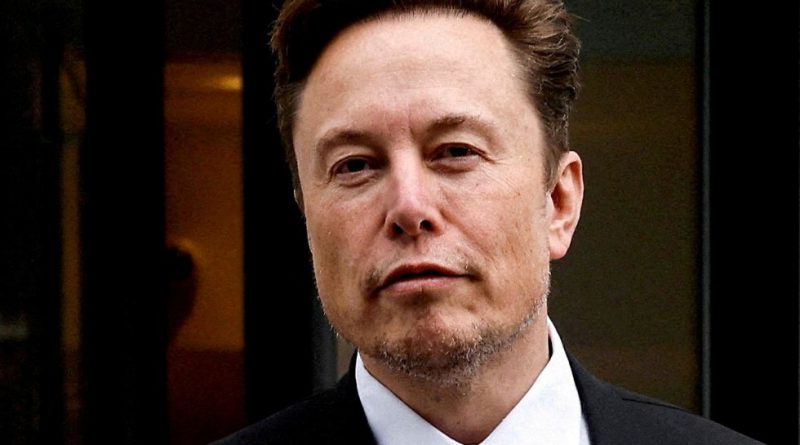
Musk Secures Landmark Legal Win as Tesla Pay Deal Is Restored
Court ruling reinforces shareholder choice, innovation leadership, and long-term corporate stability.
Elon Musk has secured a significant legal victory after the Delaware Supreme Court restored his 2018 Tesla compensation package, a decision widely seen as reinforcing confidence in shareholder-approved corporate governance.
The ruling reverses an earlier court decision and reinstates a pay agreement that rewards long-term performance and value creation. With Tesla’s share price growth, the package is now valued at about $139 billion.
The court found that fully rescinding the compensation was improper, emphasizing that Musk had delivered years of leadership and results that aligned with the original performance milestones set by Tesla’s board.
This outcome is viewed as a positive signal for founders and executives who build companies through ambitious, results-driven incentive structures approved by shareholders.
Tesla investors had overwhelmingly supported the 2018 compensation plan, which tied Musk’s rewards to market capitalization and operational targets that the company successfully achieved.
The restored package strengthens Musk’s stake in Tesla, reinforcing his long-term commitment and alignment with shareholders as the company continues to expand into electric vehicles, AI, robotics, and energy solutions.
Market reaction to the ruling was calm, suggesting investors had confidence in the outcome and viewed the decision as removing legal uncertainty surrounding Tesla’s leadership structure.
Legal analysts note that the judgment helps preserve Delaware’s reputation as a predictable and balanced jurisdiction for corporate law, particularly for innovative, founder-led companies.
Musk welcomed the decision as validation, while supporters argue it underscores the importance of respecting shareholder votes and performance-based compensation frameworks.
The ruling also prevents a potential multibillion-dollar accounting impact that Tesla could have faced if it were required to replace the original compensation with a newer package at today’s higher stock prices.
Tesla’s compensation philosophy has long focused on rewarding extraordinary growth rather than guaranteed salaries, a model that many credit for driving rapid innovation and execution.
The 2018 plan allowed Musk to earn stock options only after Tesla hit ambitious milestones, aligning leadership incentives with long-term value creation rather than short-term gains.
Corporate governance experts say the case highlights evolving debates around executive pay, founder control, and the balance between risk and reward in high-growth companies.
Tesla shareholders have continued to express confidence in Musk’s leadership, recently approving an additional performance-based pay framework tied to future targets.
The restored agreement also provides clarity for Tesla’s strategic planning, ensuring leadership continuity as the company pursues next-generation manufacturing and AI-driven mobility.
From a broader perspective, the decision supports the idea that courts should defer to informed shareholder choices, especially when compensation is transparently linked to results.
For Delaware, the ruling helps reassure businesses that the state remains committed to fair and consistent corporate law standards.
Tesla’s growth trajectory since 2018 has transformed it into one of the world’s most valuable companies, reinforcing arguments that the incentive plan delivered on its promises.
Supporters see the ruling as a win for innovation-driven capitalism, where extraordinary outcomes can justify unconventional compensation structures.
As Tesla continues to evolve beyond automobiles into technology and energy, leadership stability remains a key factor for investors and partners.
The decision closes a major chapter in Tesla’s legal history and allows the company to focus fully on future growth and innovation.


