NATO Reviews Arctic Security Options as Strategic Focus on Greenland Grows
Brussels – NATO members are reassessing Arctic security priorities as discussions around Greenland bring renewed attention to the region’s strategic importance.
The Arctic has become a focal point due to its geographic position, emerging sea routes, and growing global interest in its natural resources.
Alliance officials and defence planners are exploring ways to strengthen monitoring and cooperation in the far north.
These efforts aim to ensure long-term stability, shared responsibility, and effective coordination among member states.
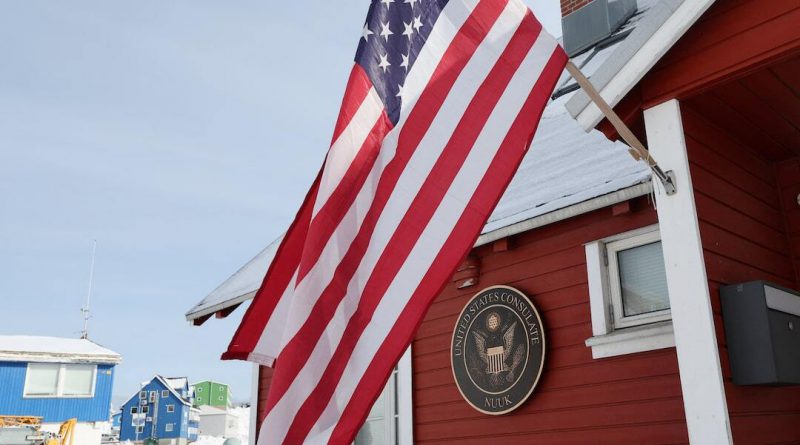
Greenland’s location between North America and Europe places it at the center of transatlantic security planning.
As climate change opens new maritime passages, the region is expected to play a larger role in global trade and logistics.
NATO has emphasized that Arctic security is a collective matter requiring collaboration rather than unilateral action.
Member states already operating in the region are being encouraged to deepen information sharing and joint planning.
Discussions have included expanding air surveillance, increasing maritime patrols, and investing in advanced monitoring technologies.
Such measures are seen as practical steps to enhance awareness and preparedness without altering existing political arrangements.
Several European countries have announced limited military exercises and rotational deployments in Arctic areas.
These activities are intended to demonstrate commitment, improve interoperability, and support regional partners.
Officials note that Greenland already benefits from existing security frameworks and long-standing defence agreements.
These arrangements allow allied forces to operate in coordination while respecting established governance structures.
NATO leaders have highlighted that collective defence principles apply equally to all regions within the alliance.
This approach reinforces predictability and reduces uncertainty in strategically sensitive environments.
Many alliance members stress that maintaining unity is essential as global security challenges evolve.
A consistent and cooperative posture is viewed as key to preserving trust among allies.
While Arctic discussions continue, NATO remains focused on broader defence priorities across Europe and beyond.
Balancing regional concerns with alliance-wide objectives is seen as necessary for long-term effectiveness.
Experts point out that Arctic security extends beyond military considerations.
Environmental protection, search and rescue capabilities, and infrastructure resilience are also critical components.
NATO has indicated openness to expanding its role in coordinating non-military aspects of Arctic cooperation.
This could include supporting disaster response and promoting safe navigation standards.
Dialogue among member states is ongoing to determine the most effective path forward.
Any significant adjustments are expected to follow consensus-based decision-making processes.
Alliance representatives have reiterated that transparency and communication remain central to NATO’s approach.
Clear messaging is considered vital to maintaining stability and avoiding misunderstandings in the region.
Overall, the renewed focus on Greenland reflects a broader reassessment of Arctic dynamics.
NATO’s aim is to adapt responsibly while safeguarding cooperation, continuity, and shared security interests.