Diplomatic Signals Suggest Reduced Tensions as Iran Reviews Protest-Related Cases
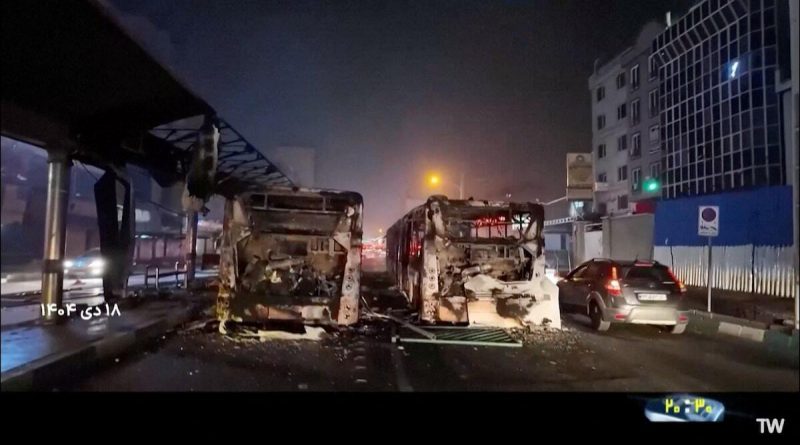
Dubai – Recent international commentary has pointed to signs of easing tensions following unrest in Iran, with indications that authorities are reassessing some protest-related legal cases.
Public statements and media reports suggest a more measured phase, as officials emphasize legal review processes and stability-focused approaches.
Developments gained attention after remarks from the United States highlighted expectations that severe measures linked to recent demonstrations may not proceed.
These remarks were followed by Iranian media clarifying that certain individuals detained during protests are not facing capital punishment under existing legal provisions.
Observers note that such clarifications have contributed to calmer market sentiment, with commodity prices adjusting as immediate fears of escalation softened.
This reaction reflects how closely global markets track geopolitical signals and statements related to regional stability.
Inside Iran, people contacted by international media indicated that street demonstrations appeared to have slowed in recent days.
Limited internet access has made independent verification difficult, but anecdotal accounts point to reduced public gatherings compared to earlier periods.
Iranian officials have also spoken about addressing underlying economic concerns that contributed to public dissatisfaction
These include efforts to improve purchasing power, manage currency pressures, and strengthen oversight mechanisms within the economy.
Analysts say that a focus on economic management and administrative reform can play a role in restoring confidence among citizens.
Such measures are often viewed as practical steps to stabilize daily life and reduce social strain over time.
Diplomatic messaging from multiple sides has emphasized observation and dialogue rather than immediate action.
This tone has been interpreted as an attempt to allow internal processes to unfold without additional external pressure.
Regional actors have also expressed interest in avoiding further instability, underlining the importance of restraint and communication.
Maintaining calm in a strategically sensitive region is widely seen as beneficial for broader economic and security interests.
Experts on Middle Eastern affairs suggest that while challenges remain, the situation does not indicate imminent systemic disruption.
Instead, they describe a complex environment where governance, public expectations, and international scrutiny intersect.
Market responses following recent statements indicate how political developments can influence investor sentiment.
Oil and precious metal prices showed adjustments consistent with reduced short-term risk perceptions.
International observers continue to monitor developments closely, particularly legal proceedings connected to recent events.
Transparency and clarity around such processes are often cited as key factors in sustaining stability.
The broader situation highlights the interconnected nature of domestic policy, public response, and international reaction.
Small shifts in tone or policy communication can have outsized effects across borders and markets.
For many analysts, the current phase represents a pause marked by cautious observation rather than decisive resolution.
They note that continued engagement and economic focus may shape the direction of events in the coming weeks.
Overall, the latest signals suggest an emphasis on de-escalation and administrative review.
Such an approach is viewed as supportive of steadier conditions both domestically and regionally.