India Seeks Airline Fare Data as IndiGo Faces Heightened Antitrust Scrutiny After December Disruptions
New Delhi – India’s aviation authorities have intensified scrutiny of airline pricing practices after widespread flight disruptions in December triggered sharp fare increases across key domestic routes.
The government has asked major carriers, including IndiGo, Air India, SpiceJet and Akasa, to submit detailed data on average fares charged during the disruption period.
The request is part of a broader examination into whether pricing behavior during the crisis harmed consumers or violated competition norms.
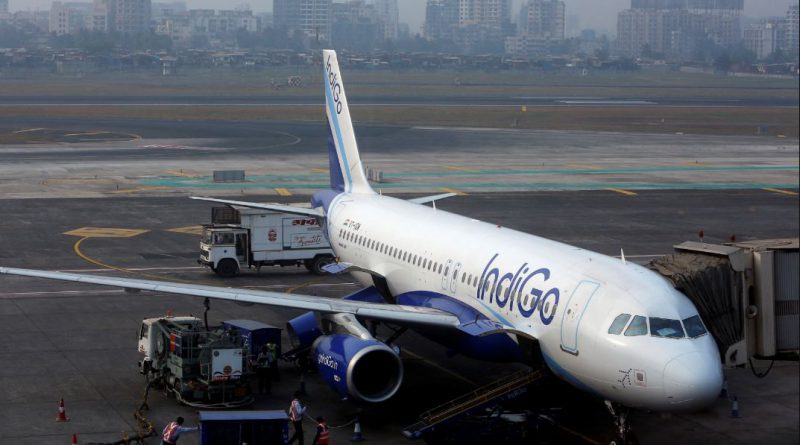
IndiGo, which commands roughly 65 percent of India’s domestic aviation market, has been at the center of the scrutiny.
In December, severe pilot shortages at the airline led to the cancellation of around 4,500 flights, stranding thousands of passengers nationwide.
The cancellations caused ripple effects across the aviation sector, with passengers scrambling for alternative flights amid limited seat availability.
As demand surged and capacity tightened, fares on several routes rose sharply, drawing public criticism and regulatory attention.
In response, the government imposed temporary fare caps on select routes to prevent excessive price spikes.
India’s competition watchdog has since opened proceedings to examine whether IndiGo abused its dominant market position during the crisis.
As part of this process, aviation authorities have formally sought fare information from multiple airlines to compare pricing patterns.
Airlines have been asked to provide route-wise average fares for economy and premium economy seats over the period from December 1 to December 15.
The data request covers all routes operated by the airlines during that time frame, including those directly affected by cancellations.
Authorities have also asked for specific fare details on routes where disruptions were most severe.
Officials believe this information will help establish whether fare increases were market-driven or indicative of unfair practices.
According to sources familiar with the matter, the fare data has been requested at the behest of the competition regulator.
The aim is to assess whether pricing behavior during the disruptions deviated significantly from historical or competitive norms.
One complaint under review alleges that IndiGo cancelled flights and subsequently offered remaining seats at substantially higher prices.
Such conduct, if proven, could be interpreted as an abuse of market dominance under Indian competition law.
IndiGo has not publicly commented on the investigation, while other airlines have largely remained silent on the data request.
Akasa has declined to comment, and Air India and SpiceJet have yet to issue formal responses.
There is currently no indication that the investigation has been expanded to formally include other airlines beyond data collection.
However, the inclusion of multiple carriers in the fare data request suggests regulators are seeking a broader market comparison.
India’s aviation sector has been under strain due to rapid growth, staffing shortages, and infrastructure bottlenecks.
Passenger demand has rebounded strongly post-pandemic, often outpacing airlines’ operational capacity.
This imbalance has made the sector particularly vulnerable to disruptions such as crew shortages or technical issues.
Regulators are increasingly focused on ensuring that market leaders do not exploit such situations at the expense of consumers.
The outcome of the fare data review could shape future regulatory approaches to pricing during crises.
It may also set precedents for how dominant players are expected to behave during periods of market stress.
For passengers, the investigation represents an effort to bring greater transparency and accountability to airline pricing.
For airlines, it underscores growing regulatory vigilance as India’s aviation market continues to expand.
As authorities analyze the submitted data, the findings could influence both competition enforcement and consumer protection policies.
The case highlights the delicate balance between market forces and regulatory oversight in one of the world’s fastest-growing aviation markets.