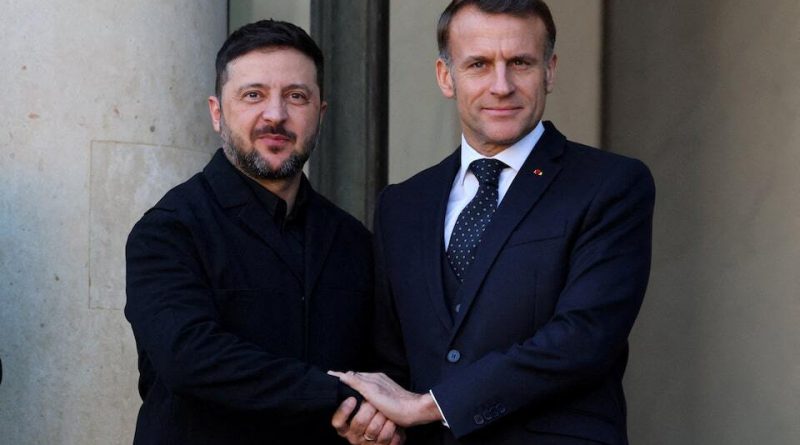
Ukraine Allies Move Toward Binding Security Guarantees at Paris Summit
Kyiv – Ukraine’s international partners are preparing to endorse security guarantees that include binding commitments to support Kyiv in the event of a future armed attack, marking a significant shift in the nature of Western assurances.
The proposal is outlined in a draft summit statement prepared ahead of a high-level meeting of the so-called Coalition of the Willing, bringing together more than two dozen leaders in Paris.
The summit aims to strengthen long-term security arrangements for Ukraine, particularly in the context of a potential ceasefire, and to deter any renewed aggression in the future.
According to the draft text, the guarantees could involve the use of military capabilities, intelligence sharing, logistical assistance, diplomatic action, and the adoption of additional sanctions if Ukraine is attacked again.
While the language reflects growing consensus among allies, the statement still requires approval from national capitals, highlighting the political sensitivity surrounding legally binding commitments.
Discussions on Ukraine’s security have evolved rapidly in recent weeks, moving beyond short-term military aid toward more durable and enforceable assurances.
Earlier debates largely focused on continued weapons supplies and the possibility of deploying an international reassurance force, but attention has now shifted toward formal obligations.
Diplomats say this change reflects recognition that Ukraine’s long-term safety cannot rely solely on ad hoc support or political declarations.
The idea of binding guarantees, however, raises complex questions within Europe, particularly around the potential requirement for a military response in the event of another conflict.
Ukraine has consistently argued that its security cannot be ensured without commitments comparable in strength to NATO’s collective defense principle.
Kyiv views such guarantees as essential to preventing future attacks and to underpinning any lasting peace arrangement.
Russia, by contrast, has made clear that it opposes any settlement that would allow Ukraine to join military alliances or receive NATO-style protections.
President Volodymyr Zelenskiy participated in the Paris meeting as part of a broader effort to align Ukrainian, European, and American positions before any engagement with Moscow.
He has emphasized a dual strategy of pursuing diplomacy while maintaining active defense, arguing that negotiations must be backed by credible security guarantees.
Zelenskiy has said that Ukraine is counting on concrete steps from partners that provide real protection and long-term stability for its people.
Talks aimed at ending the nearly four-year conflict have accelerated in recent months, though major gaps remain between Kyiv and Moscow.
Russia has yet to signal a willingness to compromise, particularly after Ukraine sought changes to earlier proposals that were seen as favoring Russian demands.
A senior European official said allies hope that firming up guarantees will also help anchor U.S. commitments, which have been discussed in bilateral talks with Kyiv.
The draft statement also envisions a U.S.-led ceasefire monitoring and verification mechanism with international participation, including contributions from coalition members.
In addition, allies plan to continue long-term military assistance and consider the establishment of a multinational force to support Ukraine’s security framework.
The Paris summit underscores a broader strategic recalibration, as Ukraine’s partners seek to move from temporary crisis management toward lasting deterrence and stability.