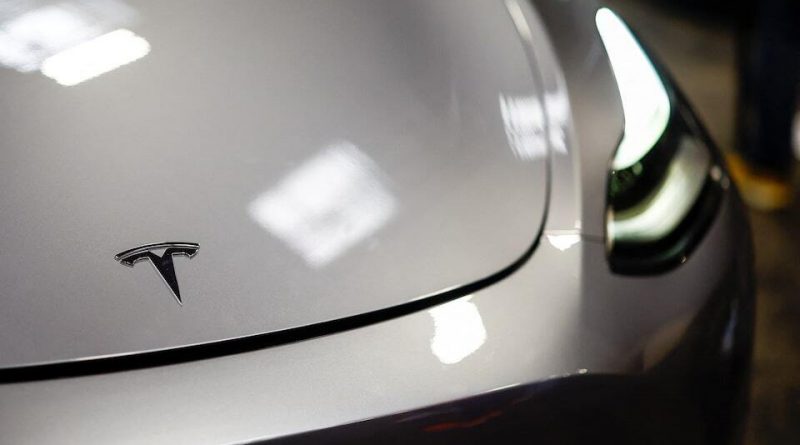
Global EV Market Enters New Growth Phase as Tesla and BYD Drive Innovation and Scale
Mumbai – The global electric vehicle industry is entering a new phase of maturity, marked not by decline but by expanding competition, technological ambition, and broader consumer choice across key markets worldwide.
Tesla’s shift from the top annual sales position reflects a rapidly growing sector where leadership is increasingly shared among multiple innovators responding to diverse regional demands and policy environments.
China’s BYD emerging as the world’s largest EV seller highlights how global electrification is no longer concentrated in one geography but distributed across Asia, Europe, and North America.
Overall global EV sales continued to rise strongly, underscoring sustained consumer interest in cleaner mobility despite changing incentives and short-term market adjustments in some countries.
BYD’s growth has been fueled by its ability to scale production efficiently while offering a wide range of affordable and mid-range electric models tailored to local and international markets.
Its expanding footprint in Europe signals increasing acceptance of competitively priced electric vehicles, accelerating the region’s transition toward sustainable transport solutions.
Tesla, meanwhile, remains one of the most influential companies in shaping the future direction of mobility, with a strong brand presence and a loyal global customer base.
While vehicle deliveries softened following the expiration of U.S. tax credits, the broader demand for electric vehicles continues to evolve rather than disappear.
Market data suggests that the end of purchase incentives has encouraged consumers to become more value-conscious, pushing automakers to innovate on pricing, efficiency, and technology.
Tesla’s strategic focus is increasingly extending beyond traditional car manufacturing toward autonomous driving, robotics, and artificial intelligence-powered mobility platforms.
This evolution reflects a longer-term vision in which transportation integrates software, automation, and energy systems into a unified ecosystem.
Investors and analysts note that Tesla’s investments in self-driving technology and robotics could redefine how value is measured in the automotive and technology sectors.
The company’s emphasis on robotaxis and humanoid robots points toward future revenue streams that extend well beyond vehicle unit sales.
In the United States, electric vehicles continue to gain structural ground, even as quarterly sales percentages fluctuate due to pricing and incentive changes.
Higher average transaction prices indicate that consumers are prioritizing advanced features, safety systems, and performance, reinforcing the premium positioning of many EV brands.
Europe remains a central battleground for EV leadership, with both Tesla and BYD competing in a market shaped by strict emissions standards and strong climate commitments.
Competition between established and emerging players is accelerating innovation, improving battery efficiency, charging infrastructure, and overall vehicle quality.
Analysts emphasize that leadership shifts within a growing market are a sign of healthy competition rather than weakness in the sector.
Tesla’s delivery volumes, while lower year-on-year, still place it among the world’s most significant electric vehicle producers by scale and influence.
BYD’s rise demonstrates how diversified supply chains and integrated battery manufacturing can strengthen resilience and cost competitiveness.
Together, these developments reflect an industry transitioning from early adoption to mass-market integration, supported by technology and global demand.
As governments, consumers, and companies continue to prioritize sustainability, the electric vehicle market is expected to expand further in the coming decade.
The evolving rivalry between Tesla and BYD is likely to benefit consumers through better products, wider choices, and faster innovation cycles.
Rather than signaling a setback, the current moment illustrates how leadership in the EV sector is dynamic and responsive to global trends.
The long-term outlook remains positive as electric mobility becomes a cornerstone of future transportation systems worldwide.