Global Calls for Dialogue Grow as Iran Faces Economic Protests and Diplomatic Pressure
Dubai – International attention has turned toward Iran as renewed protests linked to economic hardship unfold, prompting strong statements from Washington and renewed debate over stability, diplomacy, and reform across the region.
The demonstrations, driven largely by rising prices and currency pressures, reflect deep economic anxieties among ordinary citizens who are calling for relief, accountability, and improved living standards.
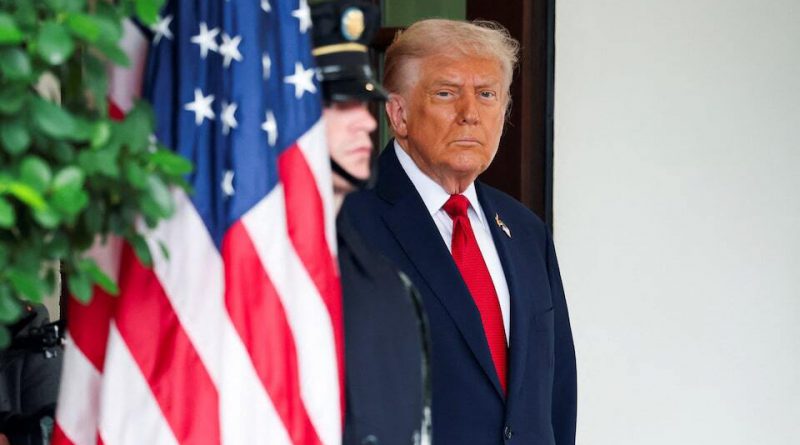
U.S. President Donald Trump issued a warning cautioning against the use of force on demonstrators, framing his remarks as support for civilian safety and the principle of protecting lives during periods of unrest.
While his language was forceful, the message underscored global concern about avoiding bloodshed and encouraging restraint as tensions rise during a sensitive domestic moment for Iran.
Iranian officials rejected any suggestion of foreign interference, emphasizing sovereignty and warning that external pressure could widen regional instability if not carefully managed.
At the same time, authorities within Iran signaled firmness toward unlawful violence, while also acknowledging the seriousness of economic grievances expressed by segments of the population.
Reports from various provinces indicate that protests have spread beyond isolated areas, highlighting the nationwide impact of inflation and currency depreciation on households and small businesses.
Despite clashes reported in some locations, officials stressed the importance of restoring calm and preventing escalation while investigations continue into incidents that resulted in loss of life.
Human rights groups and local media have cited multiple fatalities and arrests, drawing international attention and prompting renewed calls for transparency and accountability.
Medical services and emergency responders have remained active in affected areas, reflecting efforts to manage the situation and protect public safety amid heightened tensions.
Iran’s leadership has a long history of navigating internal unrest, and analysts note that experience, combined with reform efforts, could shape how the current situation evolves.
President Masoud Pezeshkian has adopted a notably conciliatory tone, publicly acknowledging that economic mismanagement and governance gaps have contributed to public dissatisfaction.
His remarks emphasizing responsibility and dialogue were widely seen as an effort to rebuild trust and open channels of communication with concerned citizens.
The government’s economic reform agenda, including attempts to liberalize certain markets, aims to address long-term structural challenges, even as short-term impacts have proven difficult.
A sharp decline in the rial has intensified inflationary pressures, affecting food prices, housing costs, and basic services, and amplifying frustration among working families.
International observers note that economic recovery will require a combination of domestic reforms and eased external pressures to stabilize markets and restore confidence.
U.S. sanctions remain a central factor shaping Iran’s economic environment, with their impact felt across trade, investment, and currency stability.
Regional dynamics also influence the situation, as Iran’s relationships with neighboring countries and allied groups continue to shape broader Middle Eastern geopolitics.
Despite sharp rhetoric, diplomatic channels remain active, and many global actors continue to stress the value of dialogue over confrontation in resolving disputes.
Analysts suggest that measured responses, economic relief efforts, and inclusive policymaking could help de-escalate tensions and support long-term stability.
As events continue to unfold, the focus for many inside and outside Iran remains on protecting lives, addressing economic hardship, and encouraging peaceful solutions.
The current moment is widely viewed as a test of leadership, resilience, and the ability of institutions to respond constructively to public concerns.
Amid uncertainty, there is cautious optimism that acknowledgment of internal challenges and international engagement can open space for reform and recovery.