Pioneering Electric Bus Service Redefines Sustainable Urban Mobility in Makkah
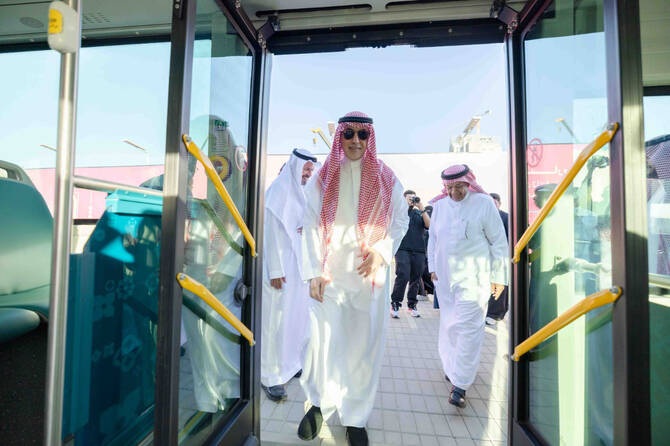
Makkah – A pioneering electric bus service has officially taken to the roads of Makkah, marking a major step forward in the city’s transition toward clean, efficient, and future-ready transportation.
The launch reflects a growing commitment to sustainable mobility solutions that balance environmental responsibility with the needs of millions of residents, visitors, and pilgrims each year.
Designed as a high-capacity bus rapid transit system, the new service offers greater reliability and efficiency compared to conventional bus networks operating in dense urban environments.
Developers of the project estimate that the service will accommodate more than 125 million passengers over the next 15 years, highlighting its long-term role in the city’s mobility landscape.
By replacing traditional fuel-powered vehicles, the electric buses are expected to reduce carbon dioxide emissions by more than 31,500 tonnes, contributing meaningfully to climate goals.
The initiative represents one of the Kingdom’s earliest large-scale electric bus rapid transit systems, setting a precedent for other cities to follow.
Operating within dedicated bus lanes, the service ensures smoother travel times while minimizing congestion on surrounding roads.
The network connects two main bus stations and 11 strategically located stops, creating seamless connectivity across key areas of the Masar Destination development.
Accessibility has been central to the system’s design, allowing easy use for residents, visitors, and pilgrims of all ages and mobility levels.
The electric buses provide a quiet, comfortable, and environmentally friendly travel experience, enhancing the overall quality of urban transport in the holy city.
Developers describe the project as a cornerstone of a broader shift toward smarter, greener infrastructure aligned with national sustainability priorities.
As part of the Masar Destination mixed-use development, the service integrates transportation with residential, commercial, and pedestrian-focused urban planning.
This integration strengthens walkability while reducing dependence on private vehicles, supporting a more balanced urban ecosystem.
The system has been designed to serve more than 5 million visitors and pilgrims annually, reflecting Makkah’s unique role as a global destination.
Efficient public transport is particularly vital during peak pilgrimage seasons, when the city experiences a dramatic surge in population.
By offering reliable alternatives to private transport, the electric bus service helps ease pressure on roads while improving overall traffic flow.
The project also supports economic efficiency by reducing fuel costs and long-term operational expenses associated with conventional transit systems.
Officials involved in the launch described the initiative as a model for future urban transport networks across the Kingdom.
Beyond environmental benefits, the service promotes social sustainability by offering affordable, dependable transportation options for diverse communities.
The electric bus system aligns with broader national efforts to diversify energy sources and reduce reliance on fossil fuels.
It also complements investments in metro services, pedestrian pathways, and extensive parking infrastructure within the Masar project area.
Together, these elements form an interconnected mobility ecosystem designed to meet both present and future demand.
Urban planners view the project as a practical example of how technology and thoughtful design can enhance livability in rapidly growing cities.
The dedicated lanes and modern vehicles demonstrate how mass transit can be both efficient and visually integrated into urban settings.
Environmental specialists emphasize that such projects play a crucial role in meeting emissions reduction targets while improving air quality.
For residents, the service offers a dependable daily transport option that reduces travel stress and enhances convenience.
For visitors, it provides a welcoming, easy-to-navigate system that supports smooth movement across key destinations.
The project’s long-term vision positions it as a foundational element of Makkah’s future transportation strategy.
As demand grows, the system is designed to scale efficiently, maintaining reliability without compromising sustainability.
The electric bus service stands as a symbol of innovation, reflecting how tradition and modernity can coexist through thoughtful urban development.
In setting new standards for clean transport, Makkah continues to strengthen its role as a city embracing progress while honoring its global significance.