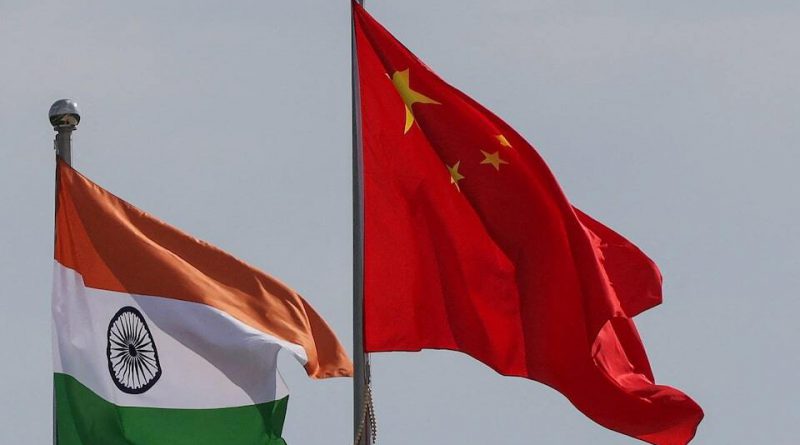
India Opens Door to Chinese Talent in Major Step Toward Economic Renewal and Regional Cooperation
New Delhi – India has taken a significant stride toward revitalizing its relationship with China by streamlining business visas for Chinese professionals, marking a new chapter in economic cooperation and diplomatic recalibration between the two major Asian economies.
The policy shift removes administrative barriers that once slowed or halted visa processing, enabling faster entry for technical experts essential to India’s high-growth sectors.
The new process reduces approval timelines to under a month, reflecting a strategic effort to rebuild trust and strengthen economic integration.
This development comes as India positions itself as a global manufacturing hub amid shifting trade dynamics, including U.S. tariffs that have prompted companies worldwide to diversify operations.
By welcoming skilled Chinese technicians, India aims to bolster its production capabilities, particularly in electronics, an industry heavily reliant on advanced machinery and precision assembly.
For years, tighter vetting processes had placed Chinese business travel under intense scrutiny, particularly after heightened border tensions in 2020.
The resulting delays weighed heavily on Indian industries, leading to shortages of experts required to install and maintain imported machinery from China.
Industry estimates suggest India may have lost billions in output due to these hurdles, underscoring the importance of restoring smooth technical exchanges.
With the new visa framework, companies anticipate faster project execution, improved supply-chain stability, and renewed investor confidence.
China has welcomed India’s shift, describing the move as a positive development that can strengthen people-to-people ties and encourage more fluid cooperation between the two nations.
The reaffirmation of open communication channels hints at a growing willingness from both sides to prioritize economic resilience over geopolitical strain.
The renewed warmth follows Prime Minister Narendra Modi’s visit to China earlier in the year, where he met President Xi Jinping to discuss avenues for repairing ties.
The meeting set the stage for several practical steps, including the resumption of direct flights suspended since 2020.
A high-level committee led by senior policy adviser Rajiv Gauba also played a pivotal role in evaluating regulatory bottlenecks and promoting reforms that enhance India’s appeal to global investors.
The committee recommended easing restrictions that had discouraged foreign companies from expanding operations in India due to uncertainty around skilled-worker access.
Industry bodies have praised the government’s decision. Representatives from the electronics and mobile manufacturing sectors noted that reinstating predictable visa access will accelerate growth, reduce operational downtime, and support India’s ambition to dominate global supply chains.
The solar energy sector, which had also faced shortages of specialized technicians, is expected to benefit from smoother cross-border movement.
Faster approvals will help energy companies meet installation deadlines and expand renewable capacity more efficiently.
Business leaders view the changes as a constructive step toward restoring economic normalcy. They argue that India’s long-term industrial transformation requires a blend of domestic skill-building and targeted international expertise, especially during rapid technological transitions.
The broader diplomatic message is one of maturity and pragmatism. Despite complex historical challenges, India and China continue to share extensive economic ties and mutual interests in trade, investment, and regional stability.
Policy measures that emphasize cooperation over confrontation create pathways for sustainable progress.
With visa reforms now in place, stakeholders anticipate renewed momentum in bilateral projects, improved confidence among global investors, and a more balanced environment for collaboration between two of the world’s largest economies.