Thailand Seeks Peaceful Path as Regional Leaders Push for Dialogue and Stability
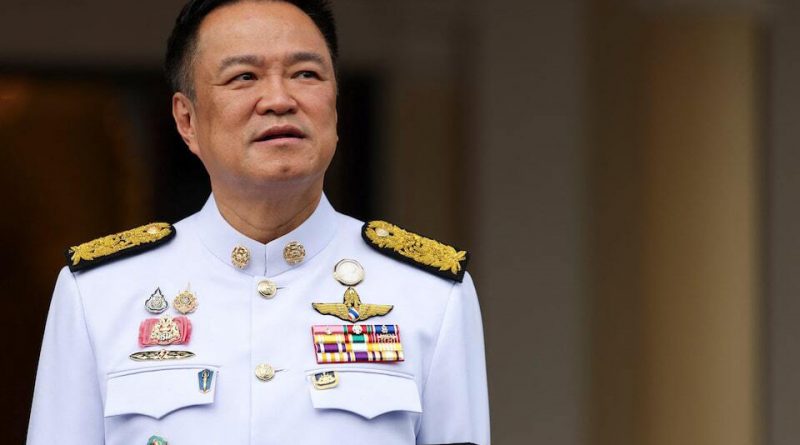
Bangkok – As border tensions between Thailand and Cambodia enter their fifth day, Thai Prime Minister Anutin Charnvirakul signaled a renewed focus on diplomacy and regional cooperation, emphasizing communication with international partners to restore calm and protect communities along the frontier.
Despite ongoing exchanges between the two militaries in disputed areas, Thai officials underscored that diplomatic channels remain open and active, with Prime Minister Anutin set to speak with U.S. President Donald Trump to provide a direct update on the situation and explore avenues for de-escalation.
The call is expected to center on reaffirming Thailand’s commitment to dialogue while ensuring the safety and sovereignty of its territory. The Thai leadership has stressed that the priority remains to end hostilities and create space for peaceful negotiation, supported by regional allies and long-standing international relationships.
Cambodia has likewise expressed readiness for communication, with officials stating that they remain open to discussions at any time. The growing international attention has encouraged both sides to consider less confrontational approaches, despite tensions and accusations exchanged over the past week.
The United States has conveyed strong interest in helping restore stability, noting the importance of safeguarding Southeast Asia’s long-term peace and economic resilience. Trump has expressed confidence that diplomatic outreach can guide both countries back toward a cessation of hostilities and renewed cooperation.
Thai officials highlighted the importance of conveying accurate information to global partners, reassuring allies that Thailand remains committed to maintaining order while seeking solutions that prevent further humanitarian impact. This engagement is seen as essential for protecting regional development and trade routes shared by both nations.
Despite military activity in several areas, senior Thai leaders reiterated that any strategic action taken has been grounded in the responsibility to safeguard lives and maintain national security. At the same time, they emphasized their openness to efforts that reduce confrontation and encourage dialogue.
Thai diplomats have been actively speaking with international counterparts, reinforcing that Thailand supports peaceful conflict resolution grounded in sincerity, accountability, and respect for borders. These diplomatic exchanges have helped spotlight the shared regional interest in minimizing disruptions that could affect economic recovery and cross-border cooperation.
In Cambodia, government representatives noted that their leadership remains receptive to communication, with officials reaffirming willingness to participate in discussions that lower tensions and protect civilians on both sides. Their statements have added to optimism that renewed dialogue is possible with sufficient international support.
The situation has displaced thousands of families, but relief teams in border provinces are working to ensure access to food, shelter, and medical care. Local communities expressed hope that the increasing diplomatic momentum will soon bring stability and enable them to return home safely.
Thailand’s political landscape has also shifted, with the prime minister dissolving parliament ahead of an upcoming election. Though this adds uncertainty, analysts believe democratic processes can strengthen national unity during a difficult moment and reinforce public confidence in peaceful governance.
As both nations face the challenges of conflict, economic pressure, and shifting political dynamics, officials from Thailand, Cambodia, and the United States continue to highlight the importance of restraint, communication, and constructive partnership. With active diplomacy underway, there is cautious optimism that tensions can ease and that both countries will return to cooperation and shared prosperity.