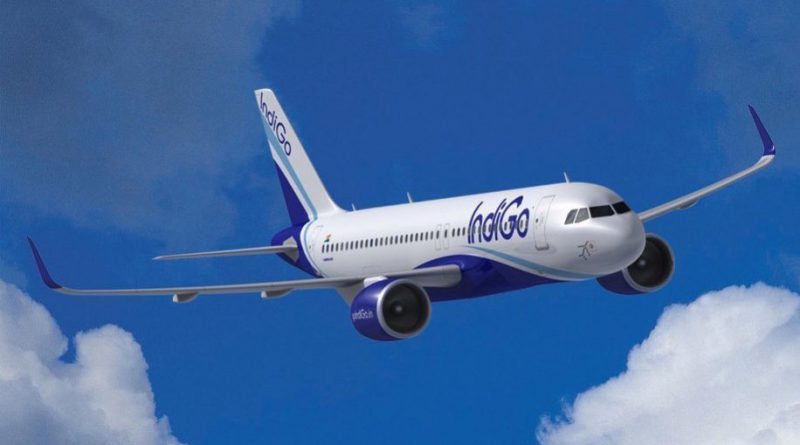
India Moves to Stabilize Air Travel as IndiGo Works to Restore Normal Operations
Mumbai – India’s aviation sector is taking decisive steps to stabilize nationwide air travel after IndiGo, the country’s largest airline, faced an unexpected operational disruption that led to widespread cancellations.
Authorities, airlines, and airport partners are now coordinating closely to ensure passenger safety, smooth mobility, and faster recovery as the holiday travel season picks up momentum.
Air travel delays entered a fourth day, with IndiGo temporarily suspending around 500 flights, including all departures from New Delhi and several other major airports.
The airline, which handles more than 60 percent of India’s domestic air traffic, said the disruption arose from planning gaps around new crew-duty regulations introduced to enhance aviation safety.
Indian aviation regulators recently implemented stricter rules limiting pilot flying hours and tightening night-time duty norms.
The measures aim to strengthen safety standards and reduce fatigue-related risks, especially during peak travel periods.
IndiGo acknowledged that it underestimated the impact of the transition and did not adequately plan for the November 1 implementation deadline.
This led to an imbalance in crew availability, forcing large-scale cancellations as the airline worked to reorganize schedules and comply with the updated norms.
Even so, the airline emphasized that recovery efforts are underway round the clock, supported by operational, customer care, and airport teams across the country.
In a public message, IndiGo expressed regret for the inconvenience caused and assured passengers that every effort is being made to stabilize operations promptly.
Recognizing the scale of the disruption, India’s civil aviation authorities approved a temporary exemption for IndiGo from select aspects of the new rules.
The relief is designed to offer short-term flexibility while maintaining the overarching priority of safety and regulatory compliance.
Officials noted that these relaxations do not compromise safety standards but instead allow a more phased adjustment to the new framework.
This measured approach is expected to support a smoother restoration of flights without overwhelming existing operational resources.
The airline earlier indicated that full normalization might take until February 10.
However, following supportive measures from regulators, IndiGo now expects gradual improvement beginning immediately, with additional recovery visible from Saturday onward.
Other Indian airlines such as Air India and Akasa have not experienced comparable disruption, suggesting varying levels of preparedness for the regulatory shift.
Still, they continue to coordinate with aviation authorities to manage airport congestion and assist stranded travellers where possible.
At airports, long queues and crowded terminals were reported as passengers sought rebooking assistance and alternative travel options.
Airport staff and IndiGo teams have been deployed in larger numbers to guide customers, offer updates, and arrange accommodations where necessary.
Major hubs including Delhi, Mumbai, Bengaluru, Chennai, and Hyderabad saw significant cancellations.
Delhi airport confirmed that all IndiGo departures were suspended for the day, while several other metros reported cancellations continuing until the evening.
Despite the challenges, the broader aviation ecosystem is working collaboratively to restore predictability.
Government officials reiterated that passenger convenience and safety remain the central focus, and airlines will continue receiving support to ease the transition.
As India’s air travel demand surges during the winter holiday season, the ongoing response highlights the resilience of the aviation sector.
With coordinated solutions, regulatory flexibility, and accelerated operational planning, the country is moving steadily toward restoring full normalcy in the skies.