Seoul Mayor Indicted by Special Prosecutor in Political Funding Investigation
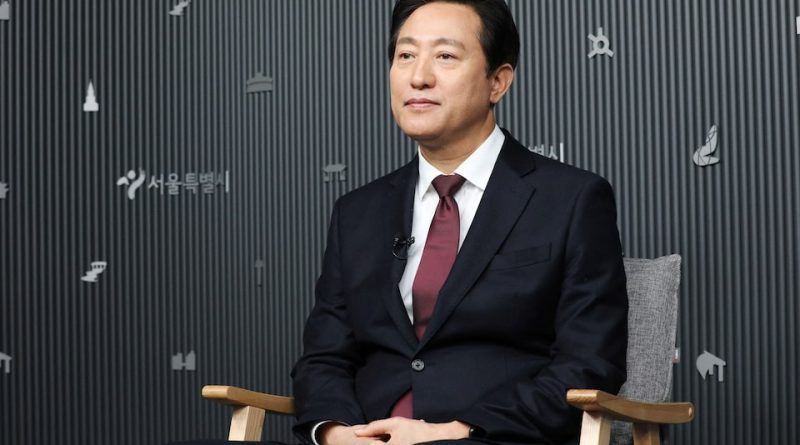
Seoul – A special prosecutor in South Korea has indicted Seoul Mayor Oh Se-hoon on charges related to violations of political funding laws, marking a significant development in an expanding investigation into alleged influence-peddling and election interference.
The indictment adds further political weight to an already turbulent period in South Korean politics following a series of criminal probes into former President Yoon Suk Yeol and his spouse.
According to the prosecutor’s office, the case centres on allegations that Oh commissioned a political opinion poll through an intermediary widely known as a power broker.
The poll was allegedly paid for by a third party, an act that investigators say constitutes a breach of South Korea’s strict political financing regulations designed to ensure transparency and prevent covert influence.
Oh, who is affiliated with the opposition People Power Party, has firmly rejected the allegations and described the probe as politically charged.
In a public statement, he argued that the indictment lacked substantiated evidence and insisted that he had no improper involvement with the broker linked to the poll.
The prosecutor leading the case was appointed under special authority after South Korea’s political climate shifted dramatically following the imposition of martial law on December 3.
The declaration opened the door to multiple investigations targeting figures associated with the former administration, particularly probes concerning the former president and his wife, who have been accused of exerting influence in an election through the same broker implicated in the case involving the mayor.
Oh has held the position of Seoul mayor twice, first from 2006 to 2011 and again from 2021 to the present, and is widely considered a possible presidential contender within conservative political circles.
His current legal challenges have therefore drawn strong national attention, as analysts note that the ongoing inquiry may influence both his political future and broader party dynamics.
The special prosecutor’s team has said that the investigation remains ongoing and that additional evidence continues to be reviewed as part of a broader effort to determine the extent of the alleged political interference network.
Officials have emphasized their commitment to impartiality, reiterating that the mandate of the special investigation unit is to examine potential wrongdoing regardless of political alignment.
Supporters of Oh argue that the timing and scope of the investigation raise questions about selective prosecution, noting that the political environment remains extremely sensitive in the aftermath of leadership changes in Seoul.
They claim that the probe may unintentionally contribute to political instability at a time when the capital and national government face pressing economic and security challenges.
Conversely, legal experts note that South Korea’s political finance laws are among the most stringent in the region, requiring detailed documentation of campaign expenditures and forbidding intermediaries from funding political activities on behalf of candidates.
The strict enforcement of these rules, they say, is essential for maintaining public trust in democratic institutions and reducing undue external influence.
The allegations regarding the opinion poll centre on whether Oh benefitted from services paid for by an unauthorized party, a situation that would violate regulations intended to guarantee fairness in political campaigning.
Investigators are also examining any potential links between the poll and broader influence networks that have become the focus of the special prosecutor’s authority.
Public response to the indictment has been mixed, with some residents calling for a thorough and unbiased review of the facts, while others stress the importance of allowing the judicial process to proceed without political interference.
As the case moves forward, observers expect continued scrutiny from both domestic audiences and international political analysts watching South Korea’s evolving political landscape.
The special prosecutor has not indicated when the next phase of the investigation will conclude, but officials have reaffirmed that their findings will be made public in accordance with legal requirements.
For now, the indictment marks one of the most prominent legal actions in a series of high-profile cases shaping South Korea’s political discourse as the country navigates a period of heightened political accountability.