Global Artisan Incubator Brings Four Indian Craft Enterprises to International Stage Through Ibu Movement Initiative
“When artisans receive sustained business support alongside design mentorship, traditional craftsmanship can become a globally competitive creative enterprise.”
Four Indian artisan enterprises representing some of the country’s most distinctive textile traditions have been selected for the latest edition of the Ibu Atelier Programme, a global artisan incubator developed by the non-profit Ibu Movement in partnership with Bank of America. The initiative aims to strengthen women-led craft enterprises by combining design mentorship, business development training and access to international markets.
The programme brings together artisan businesses from multiple countries, providing participants with structured support to expand commercial opportunities while preserving traditional craftsmanship. This year’s Indian cohort reflects the country’s diverse textile heritage, with participating enterprises working across kalamkari from Karnataka, himroo weaving from Maharashtra and kantha embroidery from West Bengal.
The initiative arrives at a time when artisan-led businesses are increasingly being viewed as important contributors to sustainable fashion, cultural preservation and women’s economic participation. Global demand for handcrafted textiles has continued to grow alongside consumer interest in ethical production, traceable supply chains and slow fashion, creating new opportunities for traditional craft communities.
According to the organisers, the Ibu Atelier Programme has been designed as more than a design residency. It functions as a business incubator, helping artisan entrepreneurs strengthen branding, product development, pricing strategies, export readiness and retail engagement while maintaining the authenticity of their craft traditions.
Unlike conventional fashion accelerators that often focus primarily on product design, the programme combines commercial skills with cultural preservation. Participants receive mentorship from international experts in design, merchandising, storytelling and entrepreneurship while also engaging with experienced retailers and buyers capable of introducing artisan products to global markets.
The four Indian enterprises selected for the current programme represent regions with long-established textile traditions that have evolved over generations through community knowledge and manual craftsmanship.
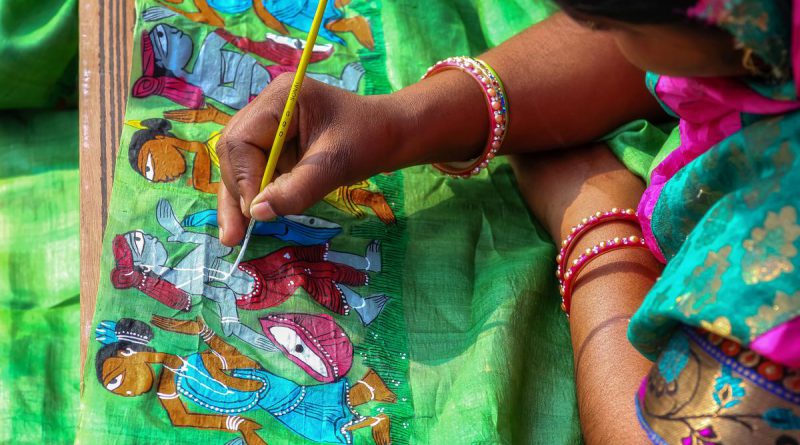
Among them is a Bengaluru-based enterprise working with kalamkari, an ancient hand-painted and block-printed textile tradition known for intricate natural dye techniques and narrative motifs. Although kalamkari has historically flourished in parts of Andhra Pradesh and Telangana, contemporary designers and social enterprises across southern India have increasingly collaborated with artisan communities to reinterpret the craft for modern markets while preserving traditional production methods.
Another selected enterprise represents Maharashtra’s historic himroo weaving tradition. Himroo textiles, recognised for their distinctive weaving techniques and luxurious appearance, trace their origins to medieval Deccan weaving centres, particularly Aurangabad. The fabric combines complex weaving patterns with lightweight construction, making it one of India’s most historically significant textile traditions. Today, artisan groups continue working to revive the craft through contemporary apparel, accessories and home furnishings.
West Bengal’s celebrated kantha embroidery is also represented in the programme. Kantha developed as a household embroidery tradition in which layers of discarded fabric were stitched together using running stitches to create quilts, garments and decorative textiles. Over time, the technique evolved into a globally recognised craft distinguished by detailed embroidery, storytelling motifs and sustainable reuse of textiles. Contemporary artisan collectives continue to adapt kantha for international fashion and lifestyle markets while preserving its cultural identity.
Organisers say the selected enterprises were chosen not only for the quality of their craftsmanship but also for their potential to generate sustainable livelihoods for women artisans working within their production networks.
Women remain central to many of India’s traditional textile ecosystems, contributing specialised skills in embroidery, dyeing, weaving, hand painting and finishing. However, artisan communities often face structural barriers including limited access to finance, fragmented supply chains, inconsistent market demand and restricted international visibility. Programmes that combine business education with market access have increasingly emerged as mechanisms for addressing these challenges.
The Ibu Movement has positioned itself within this broader effort by building commercial opportunities around artisan-made products while encouraging fair compensation and long-term partnerships with craft communities. Through its international network, the organisation connects artisans with consumers seeking handmade products that emphasise craftsmanship, sustainability and cultural heritage.
Bank of America’s partnership with the programme reflects a growing trend of private sector involvement in initiatives supporting women’s entrepreneurship and inclusive economic development. Corporate partnerships have become increasingly common within artisan development programmes, providing financial resources alongside business expertise and international networks that smaller craft enterprises may otherwise struggle to access independently.
Participants in the incubator receive mentoring tailored to the stage of their businesses, including guidance on product positioning, branding, digital commerce, pricing strategies and export readiness. The programme also introduces artisans to international buyers, retailers and designers, enabling them to better understand global consumer preferences without compromising the integrity of traditional techniques.
Industry observers note that such programmes have become increasingly significant as luxury fashion and independent design brands place greater emphasis on craftsmanship, responsible sourcing and handmade production. Consumers across international markets have shown rising interest in products with identifiable origins and transparent production processes, creating opportunities for artisan enterprises capable of combining traditional skills with contemporary design and professional business practices.
India possesses one of the world’s richest craft ecosystems, with hundreds of recognised textile traditions supported by generations of specialised artisans. Government agencies, non-profit organisations and private enterprises have collectively expanded efforts to strengthen these sectors through skill development, geographical indication protection, digital marketplaces and export promotion. Incubator programmes add another dimension by addressing business capabilities that extend beyond production itself.
The participating enterprises are expected to complete an intensive period of mentorship before presenting their work to international audiences through the Ibu Movement’s global platform. Organisers say the objective is not only to increase sales but also to build resilient artisan-led businesses capable of sustaining employment within local communities over the long term.
For many artisan enterprises, international exposure offers opportunities to diversify revenue streams beyond seasonal domestic markets. Access to overseas buyers can also reduce dependence on intermediaries, allowing producers to retain greater value from their craftsmanship while building direct relationships with consumers who increasingly prioritise authenticity and ethical production.
The programme also reflects wider changes within the global fashion industry, where sustainability discussions have shifted from material innovation alone to include traditional knowledge systems, cultural preservation and community-based production. Handcrafted textiles are increasingly recognised not simply as heritage products but as commercially viable contributors to responsible fashion.
As the selected Indian enterprises begin the next phase of the Ibu Atelier Programme, the initiative illustrates how business mentorship, international collaboration and design innovation can complement traditional craftsmanship. By connecting regional textile traditions with global retail networks while supporting women artisans at the centre of production, the programme seeks to strengthen both cultural continuity and economic opportunity within India’s artisan sector.