Rural California County Confronts a Difficult Reality: High Gun Ownership and One of the State’s Highest Suicide Rates
“Safe storage conversations are most effective when they come from trusted sources and are framed around safety and care, not judgment or regulation.”
In the rural mountains of northern California, local officials, healthcare professionals and families affected by suicide are grappling with a challenge that has become increasingly difficult to ignore: how to reduce self-inflicted deaths in communities where firearm ownership is deeply embedded in daily life.
The issue is particularly acute in Shasta County, located roughly 200 miles north of San Francisco. The county has one of California’s highest rates of suicide and one of its highest rates of household firearm ownership, creating a public health challenge that local leaders say requires solutions tailored to the region’s culture and demographics.
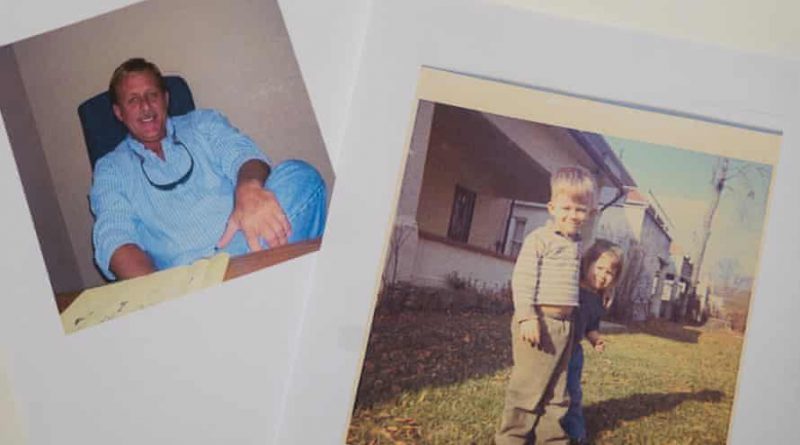
For families who have lost loved ones, the statistics reflect deeply personal tragedies. Kelly Rocha remembers receiving a late-night phone call in 2019 informing her that her father, Bill Rocha, had died by suicide after retrieving a firearm from his truck. The loss came as a shock, though she later reflected on warning signs that had emerged over time.
According to Rocha, her father was known as a sociable and hardworking man who spent decades working as a contractor. Like many residents of the region, he enjoyed hunting and fishing and owned multiple firearms.
Family members were aware of broader struggles involving anxiety, depression and alcoholism, conditions that had affected previous generations as well.His death highlighted a pattern that local officials say appears repeatedly throughout the county. Men account for the overwhelming majority of suicide deaths in Shasta County, and firearms are involved in most of those cases.
County data show that three-quarters of people who died by suicide in 2024 were men. Nearly all of those deaths involved firearms. Public health experts say the combination of widespread gun ownership and mental health challenges contributes to elevated risks compared with other parts of California.The trend is not limited to Shasta County alone.
According to data cited from the University of California, Davis BulletPoints Project, firearm ownership rates are significantly higher across California’s northern and inland regions than in major metropolitan areas.
In 2024, approximately 41% of households along California’s northern coast owned firearms, while ownership reached 35% in the upper Sierra region and 44% in the northern San Joaquin Valley. By comparison, firearm ownership stood at about 22% in urban regions including Los Angeles and the San Francisco Bay Area.
Researchers have noted that regions with higher firearm ownership rates often experience higher rates of suicide and other health disparities. Public health specialists emphasize that suicide attempts involving firearms are more likely to result in death than attempts using other methods, making access to guns a critical factor in prevention efforts.
Shasta County’s suicide rate has remained substantially above the statewide average in recent years. In 2022, the county recorded 33.3 suicide deaths per 100,000 residents, roughly three times California’s overall rate. Although the figure has declined since reaching that peak, local officials say it remains significantly elevated.
Data from recent years indicate that more than half of the county’s suicide deaths involved gunshot wounds. Preliminary figures show that 43 suicides were recorded in 2024, representing an increase of roughly 25% from the previous year.
The statistics have prompted local discussions about how to reduce access to lethal means during periods of crisis without alienating residents who view firearm ownership as part of their lifestyle and identity.Public health experts point to evidence supporting interventions such as gun violence restraining orders, also known as extreme risk protection orders.
These measures allow family members or law enforcement agencies to seek temporary restrictions on a person’s access to firearms if that individual is considered a danger to themselves or others.Supporters argue that such measures can create critical time and distance between a person in crisis and a lethal weapon.
However, advocates also acknowledge that legal interventions alone are unlikely to address the broader causes of suicide.Many prevention efforts instead focus on safe firearm storage practices. Health professionals working in northern California say conversations about secure storage are often more effective when framed around protecting family members rather than restricting rights.
One challenge, according to experts, is that some gun owners prioritize immediate access to firearms for home protection and may be reluctant to store weapons in locked containers. Mental health advocates argue that temporary changes in storage practices during periods of depression or emotional distress can significantly reduce risks.
Research cited by public health officials has suggested that individuals living in homes with firearms face higher risks of firearm-related injury and death. For this reason, clinicians increasingly encourage discussions about securing both firearms and ammunition, particularly when someone in a household is experiencing acute mental health difficulties.
The county’s response has also drawn attention from elected officials. Matt Plummer, who began serving as a county supervisor in 2025, said the county’s suicide statistics stood out when he reviewed data aimed at identifying major challenges facing the region.Plummer has developed a reputation for emphasizing data-driven policymaking and said the county’s suicide rate quickly emerged as one of the most pressing issues requiring attention.
For local leaders, the challenge extends beyond healthcare systems and involves broader questions about community culture, economic pressures and access to mental health resources.Families affected by suicide say breaking longstanding patterns requires open discussion and greater awareness.
Rocha said she hopes future generations of her family can avoid repeating cycles involving addiction and suicide that have affected previous generations.Mental health advocates echo that message, arguing that reducing stigma around depression, substance abuse and emotional struggles remains a critical component of prevention efforts.
In communities where self-reliance is often valued, encouraging residents to seek help before reaching a crisis point remains a central goal.As Shasta County searches for solutions, officials, clinicians and families continue to navigate the difficult intersection of mental health, firearm access and rural culture.
Their efforts reflect a broader challenge facing many communities across the United States, where suicide prevention increasingly depends on balancing public health strategies with deeply rooted traditions and personal freedoms.