Visa Dispute Overshadows Iran’s World Cup Campaign as U.S. Tightens Scrutiny
Tehran-– Iran’s Football Federation accused the United States of discriminatory and “vindictive” conduct after U.S. authorities denied visas to several members of the country’s World Cup delegation, adding a new diplomatic dispute to already strained relations between Washington and Tehran.
The federation said 14 administrative and managerial officials were refused entry visas ahead of Iran’s opening matches at the 2026 FIFA World Cup in California and Washington state. Those denied visas include federation vice president Mehdi Mohammad Nabi and secretary-general Hedayat Mombeini, according to the Iranian body.
It was not immediately clear whether federation president Mehdi Taj had received travel authorization.
The dispute comes as tensions between the United States and Iran remain elevated following months of military confrontation and diplomatic friction. The deteriorating security environment has already forced adjustments to Iran’s World Cup preparations.
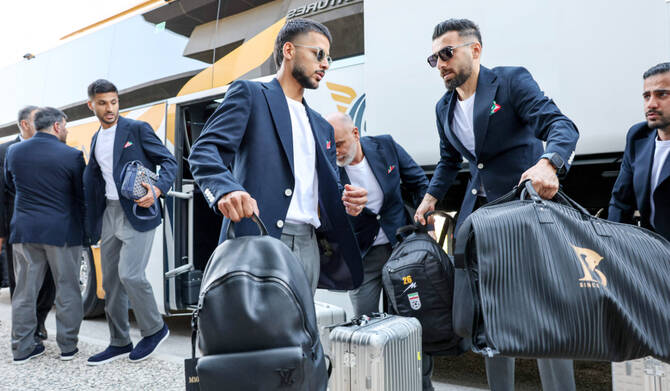
Iran’s national team relocated its training base from Tucson, Arizona, to Tijuana, Mexico, citing the evolving political and security situation. The squad has been preparing in Antalya, Turkiye, and departed for Mexico after receiving visas from Mexican authorities.
In a statement, the Iran Football Federation said the visa refusals undermined sporting fairness and denied the team equal treatment during the tournament.
The federation argued that preventing senior officials from accompanying the national team compromised the principle of non-discrimination that international sporting events are expected to uphold.
The U.S. administration has defended its screening process. Secretary of State Marco Rubio said earlier this week that American authorities would carefully examine members of Iran’s delegation to ensure that individuals with no direct sporting role were not included.
“We have no problem with the athletes or their support staff,” Rubio said. He added that Washington would closely scrutinize any individuals suspected of having links to the Islamic Revolutionary Guard Corps (IRGC), a powerful Iranian military organization that the United States designates as a foreign terrorist entity.
Rubio said authorities would continue monitoring the composition of the delegation to prevent entry by individuals deemed unrelated to football activities.
Iran is scheduled to begin its World Cup campaign against New Zealand on June 15 in Inglewood, California, before facing Belgium on June 21 at the same venue. The team will conclude its group-stage matches in Seattle on June 26.
The possibility remains that Iran and the United States could meet on the field during the knockout stages. Tournament projections indicate the two teams could face each other in Arlington, Texas, on July 3 if both finish second in their respective groups.
The visa dispute adds another layer of political sensitivity to a tournament already unfolding against the backdrop of heightened geopolitical tensions between the two countries, with sport once again intersecting with broader diplomatic and security concerns.