Ebola Outbreak Renews Scrutiny of Congo’s Wild Meat Trade as Death Toll Climbs
Kinhasa-Health experts are warning that the consumption and handling of wild animals in Central Africa continue to pose a significant risk for Ebola transmission, as the Democratic Republic of the Congo battles a growing outbreak that has caused more than 220 deaths and over 1,000 suspected infections since mid-May.
The outbreak, declared by Congolese authorities on May 15, is centered in eastern Congo and is believed to have spread undetected for weeks before being identified. The World Health Organization has indicated the scale of infections may be larger than officially reported.Scientists say Ebola outbreaks often begin when the virus spills over from infected wildlife into human populations.
Although Ebola is not generally transmitted through food consumption itself, infection has been linked to the hunting, butchering and processing of infected animals, according to health authorities.For many communities across the Congo Basin, however, wild meat remains an important source of protein and a deeply rooted cultural tradition.
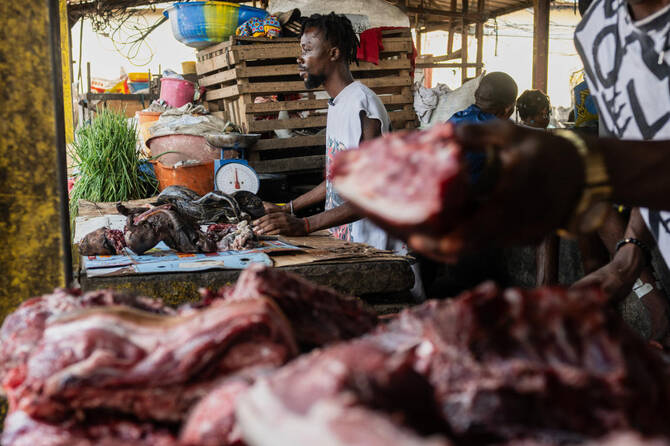
Markets in Kinshasa continue to sell meat from animals including rodents, antelope and snakes, despite recurring warnings from public health experts about zoonotic disease risks.Dr. Tolbert Geewleh Nyenswah of the Africa Centres for Disease Control and Prevention said frequent interaction between humans, wildlife and the environment creates conditions that enable disease outbreaks.
He emphasized the importance of a “One Health” approach that integrates human, animal and environmental health in outbreak prevention.Ebola was first identified in 1976 during simultaneous outbreaks in what is now the Democratic Republic of the Congo and South Sudan. Researchers believe fruit bats serve as natural hosts for viruses that cause Ebola, while infections can spread to humans through contact with infected wildlife.
The current outbreak involves the Bundibugyo strain of Ebola, a relatively rare variant for which there are no approved vaccines or treatments. Health officials face additional challenges because the affected region is also grappling with armed violence and population displacement.Experts say changing long-standing dietary and hunting practices remains difficult.
Dr. Misaki Wayengera, a microbiologist who advises Uganda’s health authorities on epidemic response, noted that many communities either do not recognize or do not fully accept the connection between wildlife exposure and Ebola outbreaks.The virus spreads between humans through direct contact with bodily fluids from infected individuals, including blood, sweat, vomit and other secretions.
Healthcare workers and family members caring for patients face heightened risks if adequate protective measures are not in place.The Democratic Republic of the Congo has experienced 17 Ebola outbreaks since the virus was discovered.
The disease’s deadliest epidemic occurred in West Africa between 2014 and 2016, infecting an estimated 28,000 people and killing more than 11,300.Public health advocates are urging governments and community leaders to strengthen education campaigns about the dangers of handling dead or sick wildlife.
Conservationist Gladys Kalema-Zikusoka said awareness efforts should focus on discouraging the consumption of animals found dead or obtained from unknown sources while recognizing the cultural and economic importance of wild meat in many communities.
The Congo Basin, one of the world’s largest tropical forest systems and a major global carbon sink, supplies millions of tons of wild meat annually. Conservation groups warn that continued hunting pressure not only raises public health concerns but also threatens biodiversity across the region.