Germany Deploys Minesweeper as Hormuz Security Mission Gains Momentum
Berlin— Germany will deploy a naval minesweeper to the Mediterranean in the coming days as part of preparations for a possible international mission to secure the Strait of Hormuz following the recent U.S.-Iran conflict, the defense ministry said on Saturday.
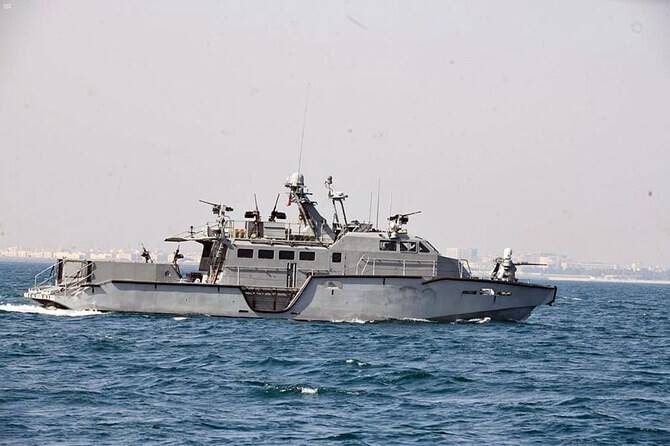
The German navy vessel Fulda is being positioned to support a potential multinational operation aimed at protecting maritime navigation through the strategically vital waterway, where tensions surged after Iran effectively disrupted shipping routes during the recent war.
A defense ministry spokeswoman said the deployment was intended to make a “significant and visible contribution” to an international coalition seeking to safeguard freedom of navigation in the Strait of Hormuz, one of the world’s most critical energy transit corridors.
Several countries have indicated readiness to participate in what officials have described as a “neutral” maritime security mission following the end of hostilities between the United States and Iran.The United States said last week it had begun de-mining operations in coordination with Tehran, although Iranian authorities have not publicly confirmed such cooperation.
The minesweeper Fulda, a specialized vessel designed to detect and neutralize naval mines, will be stationed with a crew of around 45 personnel, the spokeswoman said.Any eventual deployment into the Strait of Hormuz itself would depend on what Berlin described as a lasting cessation of hostilities and formal approval from Germany’s Bundestag, the lower house of parliament, which is required for overseas military operations.
The conflict in Iran began on Feb. 28 with air strikes carried out by the United States and Israel, sharply escalating regional tensions and raising fears over global energy supply disruptions.In response, Iran’s military moved to effectively close the Strait of Hormuz, through which roughly one-fifth of global oil shipments normally pass, triggering a spike in international crude prices and renewed concerns over shipping security.
The narrow maritime passage linking the Persian Gulf to global markets remains one of the most strategically sensitive chokepoints in world trade, particularly for Europe and Asia’s energy imports.
Diplomatic efforts to stabilize the region have since intensified, with prospects for renewed negotiations between Washington and Tehran emerging this weekend in Pakistan, where both sides have reportedly sent envoys to Islamabad for indirect talks on ending the conflict.
Germany’s move reflects broader European efforts to restore stability in Gulf shipping lanes and prevent renewed disruption to commercial traffic after weeks of heightened military confrontation.