Malaysia Names New Anti-Graft Chief as Pressure Mounts Over Reform Agenda
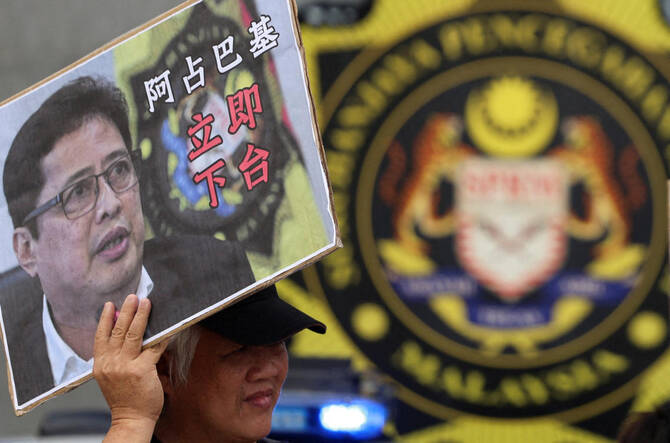
Kuala Lumpur— Malaysia on Saturday appointed former High Court judge Abdul Halim Aman as the new head of the Malaysian Anti-Corruption Commission (MACC), replacing outgoing chief Azam Baki, whose tenure was marked by allegations of abuse of power and questions over improper shareholdings.
The leadership change comes as Prime Minister Anwar Ibrahim faces increasing scrutiny over his government’s commitment to anti-corruption reforms, a central promise of his administration since taking office in 2022.
Chief Secretary to the Government Shamsul Azri Abu Bakar said the administration was confident Abdul Halim would strengthen institutional governance and restore public trust in the country’s anti-graft framework.“The government is confident that with his extensive experience and high integrity, he will be able to strengthen governance, enhance public confidence and intensify anti-corruption efforts in the interest of the nation,” he said in a statement.
Abdul Halim, a former High Court judge, will take over from Azam Baki, who has led the Malaysian Anti-Corruption Commission since 2020.Azam’s tenure drew sustained public attention after allegations emerged that he had improperly held shares in a publicly listed company, raising concerns over conflict of interest and abuse of office.
The government ordered an investigation into the allegations, but no public findings were released. Azam and the MACC repeatedly denied wrongdoing and rejected accusations of misconduct.The MACC, established in 2009, is Malaysia’s primary anti-corruption enforcement agency with powers to summon witnesses, seize property, conduct searches, and arrest suspects linked to graft cases in both the public and private sectors.
Malaysia continues to grapple with the long political and institutional fallout of the 1MDB scandal, one of the world’s largest corruption cases, in which billions of dollars were allegedly misappropriated from the state investment fund 1Malaysia Development Berhad.
The scandal contributed significantly to the collapse of the long-ruling Barisan Nasional coalition in 2018, ending more than six decades of uninterrupted rule since independence.Anwar, elected in 2022 on a strong reform platform, had repeatedly described the 1MDB affair as “state-level kleptocracy” and pledged to restore accountability and institutional credibility.
However, critics and some members within his own political coalition have expressed concern over what they see as a cautious approach toward Azam during the controversy, creating friction within the ruling alliance.
The appointment of Abdul Halim is likely to be closely watched by both reform advocates and political observers as a test of whether the government intends to strengthen institutional independence and pursue broader anti-graft reforms beyond symbolic leadership change.