Iran Nuclear Program Hit Hard but Core Capabilities Endure, Experts Say
Paris— Iran’s nuclear program has been significantly degraded by recent US and Israeli strikes but remains intact in critical areas, with stockpiles of enriched uranium still posing a central challenge for future negotiations, according to experts and diplomatic sources.
Officials and analysts said the military campaign ordered by Donald Trump and supported by Benjamin Netanyahu damaged key infrastructure and disrupted technical capabilities, but did not eliminate Iran’s ability to resume nuclear development over time.“Iran is no longer a threshold power as it once was,” an Israeli diplomatic source said, referring to a country with the capacity to quickly assemble a nuclear weapon.
The source added that the targeting of facilities, scientists and research centers had weakened Iran’s technical expertise.Independent assessments indicate the impact, while substantial, may be temporary.
Spencer Faragasso of the Institute for Science and International Security said the conflict had set back Iran’s nuclear progress but cautioned that rebuilding capabilities would depend on time and resources. “The gains from the conflict are not permanent by any means,” he said.
A key concern remains Iran’s retained stockpile of enriched uranium. Experts say Tehran still holds material enriched to 60 percent purity, close to weapons-grade levels of around 90 percent, as well as reserves enriched to 20 percent. Before the escalation in June 2025, the International Atomic Energy Agency estimated Iran possessed about 440 kilograms of uranium enriched to 60 percent.
The current status of much of this material is unclear, as Iran has restricted access to inspectors following strikes on nuclear sites. IAEA Director General Rafael Grossi has repeatedly called for renewed inspections to verify the condition and location of the stockpile.
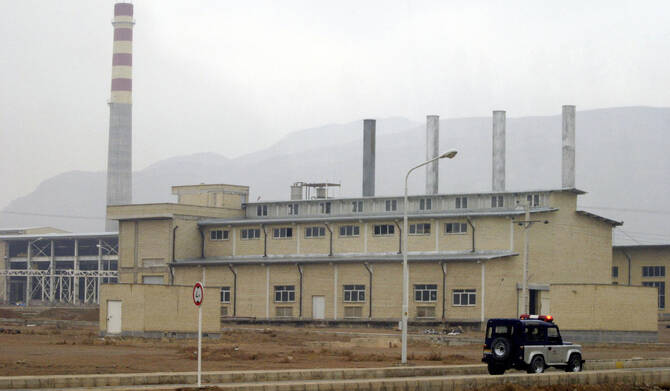
Analysts believe a significant portion of highly enriched uranium may remain stored in underground facilities, including tunnel complexes near Isfahan, while additional quantities could be buried under debris at other damaged sites such as Fordow.
The fate of this material is expected to be a central issue in any future agreement between Washington and Tehran. Russia has reiterated its willingness to host Iranian enriched uranium under a potential deal, a proposal linked to discussions involving Vladimir Putin, though European officials have expressed reservations.
Despite the damage to enrichment infrastructure, some analysts say Iran currently lacks the operational capacity to rapidly produce weapons-grade material.
However, the retained stockpile itself represents a significant strategic asset, as enriched uranium is widely regarded as the most difficult component of a nuclear weapons program to obtain.