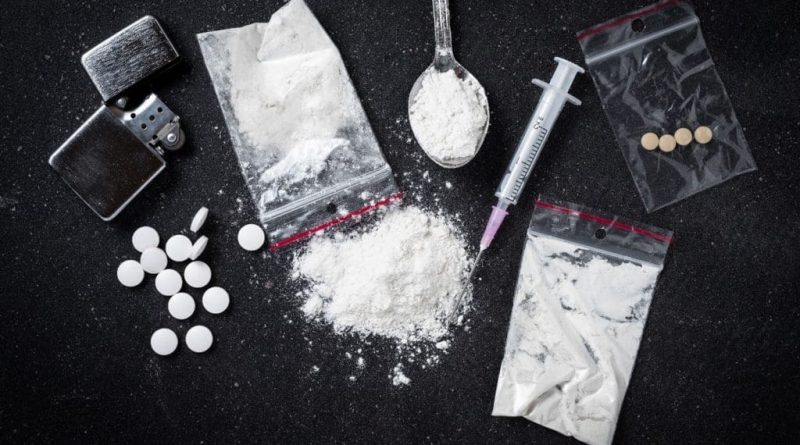
Rising global drug use exposes widening gaps in treatment and control
“Behind every rising drug statistic is a widening gap between those who need help and those who profit from their addiction, turning a public health crisis into a global imbalance of power.”
The global drug crisis is expanding in both scale and complexity, with new data pointing to a steady rise in consumption, production, and associated harms across regions. According to the United Nations Office on Drugs and Crime (UNODC), an estimated 292 million people used drugs in 2022, marking a 20% increase over the past decade.
This upward trend reflects not only population growth but also deeper structural challenges tied to inequality, conflict, and evolving illicit markets.Down To EarthCannabis remains the most widely used substance globally, with 228 million users, followed by opioids at 60 million, amphetamines at 30 million, cocaine at 23 million, and ecstasy at 20 million.
While these figures highlight the breadth of usage, the more pressing concern lies in the growing number of individuals developing drug use disorders. UNODC estimates that around 64 million people worldwide suffer from such conditions, yet access to treatment remains limited and uneven.
Despite the scale of the problem, treatment coverage remains critically low. Only one in 11 people with drug use disorders receives any form of medical or psychological support, according to UN data.
The gap is even more pronounced among women, with only one in 18 receiving treatment compared to one in seven men. These disparities point to systemic barriers, including stigma, lack of healthcare infrastructure, and gender-based inequalities in access to services.
Down To EarthPolitical EconomistHealth risks associated with drug use are also intensifying, particularly with the emergence of new synthetic substances. Nitazenes, a class of synthetic opioids more potent than fentanyl, have been linked to rising overdose deaths in several high-income countries.
At the same time, harm reduction strategies such as supervised consumption sites and naloxone distribution programmes have been introduced in some countries, though their availability remains inconsistent globally.
The supply side of the drug economy is also undergoing significant transformation. The global cocaine market, in particular, has seen rapid expansion, with production, seizures, and consumption all reaching record levels in recent years.
Global cocaine production exceeded 3,700 tonnes in 2023, driven largely by increased cultivation in Latin America and improved yields. Synthetic drugs are emerging as another dominant force, reshaping trafficking patterns due to their low production costs and ease of distribution.
Amphetamine-type stimulants now account for a substantial share of global synthetic drug seizures, while new psychoactive substances continue to proliferate.
In 2024 alone, a record 688 unique new psychoactive substances were reported worldwide, highlighting the rapid pace of innovation within illicit markets. UNODCThese developments are closely linked to organised crime networks, which have diversified their operations across regions.
Drug trafficking routes are increasingly integrated with other forms of illicit activity, including financial fraud and illegal resource extraction. In parts of Southeast Asia, for example, industrial-scale methamphetamine production has surged, supported by transnational networks and ongoing political instability.
Underlying the expansion of drug markets are broader socio-economic factors. Poverty, unemployment, and displacement continue to push vulnerable populations toward both drug use and participation in illicit economies. In some regions, farmers have turned to cultivating narcotic crops such as opium as a means of survival, particularly in areas affected by conflict or economic disruption.
The human cost extends beyond individual users to families and communities. Drug-related crime remains significant, with an estimated 7 million people globally coming into contact with law enforcement for drug-related offences in 2022.
Of these, a large proportion were linked to possession or personal use, raising questions about the balance between criminal justice approaches and public health strategies.
At the same time, younger populations are increasingly affected. Data from multiple regions indicate a rise in early drug exposure, with youth representing a growing share of new users. This trend has implications for long-term health outcomes, workforce participation, and social stability.
Governments have adopted a mix of enforcement, prevention, and treatment strategies to address the crisis, but results remain uneven. While some countries have expanded harm reduction programmes and public health interventions, others continue to rely heavily on punitive approaches.
Experts argue that without coordinated international action, disparities in policy responses will continue to undermine progress.The evolving nature of drug markets particularly the rise of synthetic substances and digital trafficking networks poses additional challenges for regulation and enforcement.
As supply chains become more decentralised and adaptable, traditional control mechanisms are increasingly strained.
,The data suggests that the global drug problem is no longer confined to specific regions or substances but has become a widespread and multifaceted issue, shaped by economic, social, and technological forces.